Archives
- 2026-08
- 2026-07
- 2026-06
- 2026-05
- 2026-04
- 2026-03
- 2026-02
- 2026-01
- 2025-12
- 2025-11
- 2025-10
- 2025-09
- 2025-03
- 2025-02
- 2025-01
- 2024-12
- 2024-11
- 2024-10
- 2024-09
- 2024-08
- 2024-07
- 2024-06
- 2024-05
- 2024-04
- 2024-03
- 2024-02
- 2024-01
- 2023-12
- 2023-11
- 2023-10
- 2023-09
- 2023-08
- 2023-07
- 2023-06
- 2023-05
- 2023-04
- 2023-03
- 2023-02
- 2023-01
- 2022-12
- 2022-11
- 2022-10
- 2022-09
- 2022-08
- 2022-07
- 2022-06
- 2022-05
- 2022-04
- 2022-03
- 2022-02
- 2022-01
- 2021-12
- 2021-11
- 2021-10
- 2021-09
- 2021-08
- 2021-07
- 2021-06
- 2021-05
- 2021-04
- 2021-03
- 2021-02
- 2021-01
- 2020-12
- 2020-11
- 2020-10
- 2020-09
- 2020-08
- 2020-07
- 2020-06
- 2020-05
- 2020-04
- 2020-03
- 2020-02
- 2020-01
- 2019-12
- 2019-11
- 2019-10
- 2019-09
- 2019-08
- 2019-07
- 2019-06
- 2019-05
- 2019-04
- 2018-11
- 2018-10
- 2018-07
-
Poxviruses have double stranded DNA dsDNA genomes yet they
2021-07-16
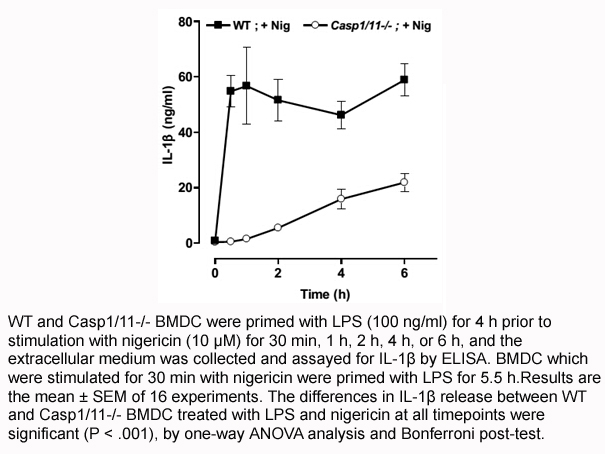
Poxviruses have double-stranded DNA (dsDNA) genomes, yet they replicate within the cytoplasm. Poxviruses that cause human disease include monkeypox virus (Reynolds et al., 2004), molluscum contagiosum virus (Hanson and Diven, 2003) and variola virus (VARV), the cause of smallpox, a disease eradicate
-
Our finding that one enzyme acts both
2021-07-16
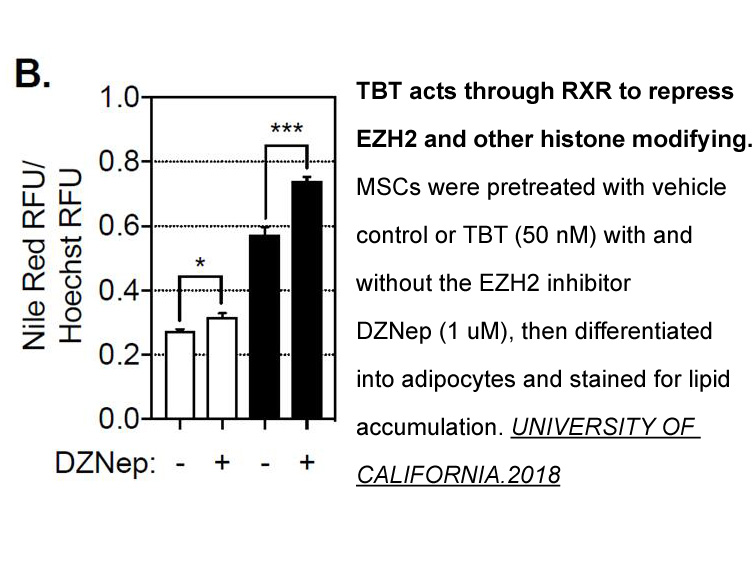
Our finding that one enzyme acts both as a primase and a DNAP poses evolutionary and mechanistic questions. In particular, why do cellular organisms require two enzymes to fulfill de novo DNA synthesis? The inability of cellular replicases to perform as primases might be dictated by the challenges a
-
The most important finding in the
2021-07-16
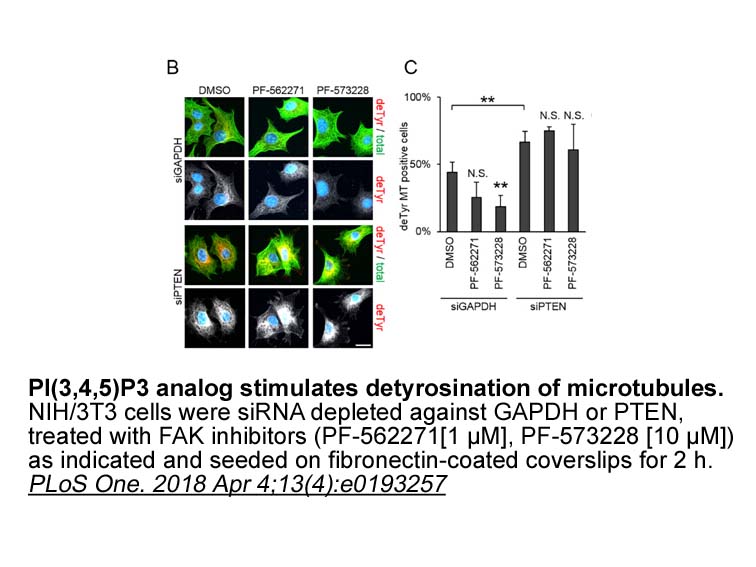
The most important finding in the present study is that the EKR1/2-Egr-1 signaling pathway might be involve in the mechanisms underlying CysLT2 receptor-mediated IL-8 production. The signaling profile can be described by the following sequential processes: the agonists (LTC4 and LTD4) activates CysL
-
br Experimental section br Results br
2021-07-16
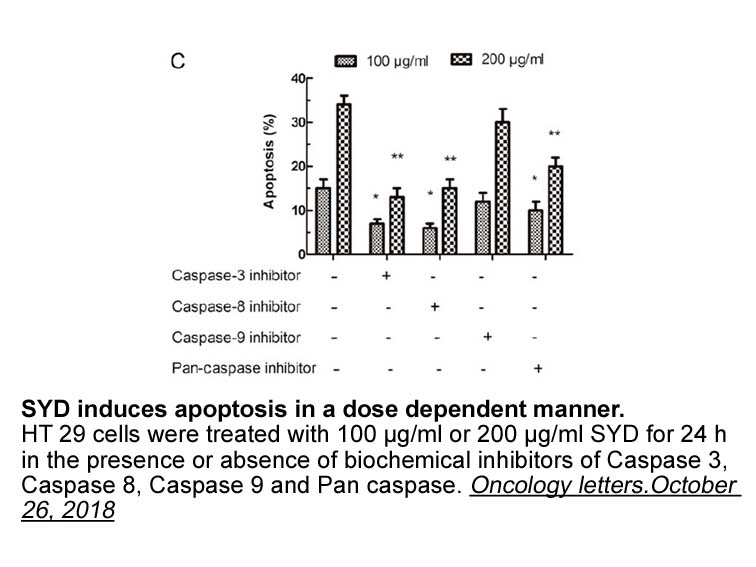
Experimental section Results Discussion In our previous work (Rashidi et al., 2018) we isolated a novel glucarpidase whose raised Methotrexate did not cross-react with the one in clinical use. In principle, therefore, it would be possible to delay the production of antibodies in a patient
-
Abbas et al studied the
2021-07-15
Abbas et al. studied the mitigation of ASR in their corresponding study by incorporating RHA [1]. These researchers used Ordinary Portland Cement (OPC), four different percentages (i.e., 10%, 20%, 30% and 40% by weight of OPC) of RHA and reactive aggregate (sand from Dolomite-limestone rock) in thei
-
TNP-470 ROS generation is crucial for NETs release upon
2021-07-15
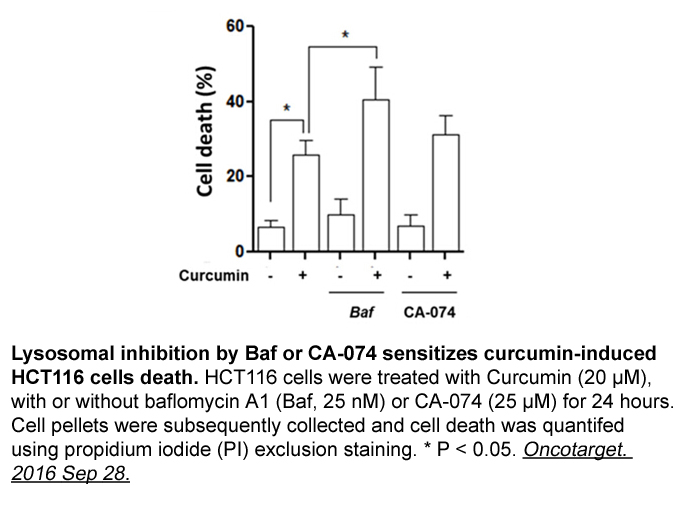
ROS generation is crucial for NETs release upon both physiological or pathogenic stimuli [16,30]. In our study, we further verified this conclusion by demonstrating that SRA stimulation by Poly I enhanced intracellular ROS levels while scavenging of ROS by anti-oxidant agents effectively abolished t
-
br Physiological roles for EPAC isoforms vascular function
2021-07-15
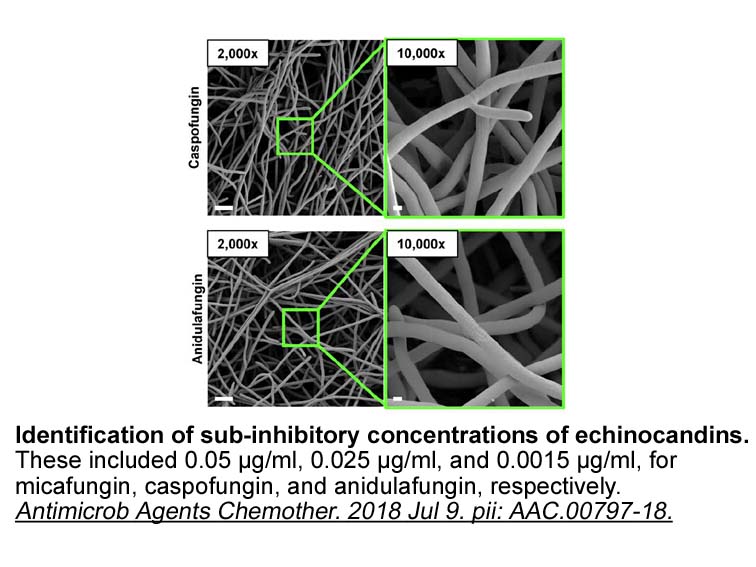
Physiological roles for EPAC isoforms: vascular function The effects of cAMP on limiting vascular endothelial cell (VEC) inflammation and vascular smooth muscle cell (VSMC) proliferation have been well documented 36, 37, 38. However, recent work has demonstrated that several key effects of cAMP i
-
Docking experiments showed that Me MeGlcA Xyl and MeGlc
2021-07-15
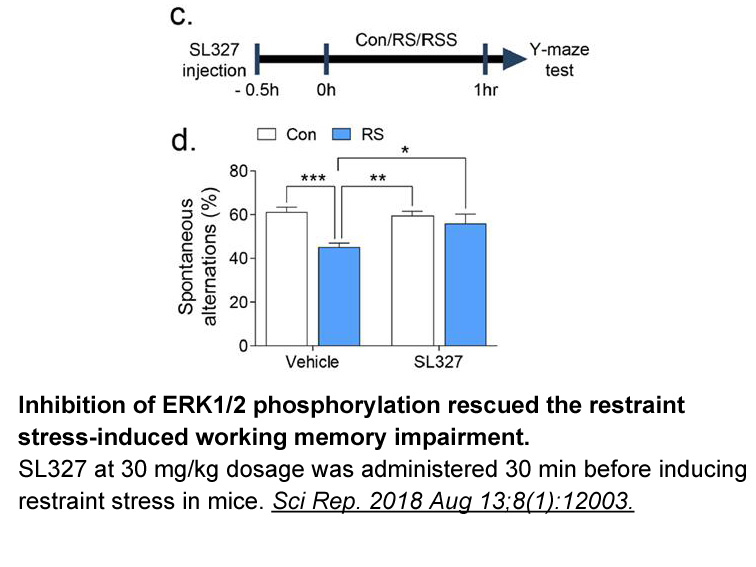
Docking experiments showed that Me-MeGlcA3Xyl4 and MeGlc3Xyl4 were bound to EcXyn30A and the R293A variant in the same way as MeGlcA3Xyl4, having MeGlcA or its modified forms accommodated in the -2b subsite. All ligands were coordinated by the same Anhydrotetracycline hydrochloride and no new inter
-
The main advantage of exploiting paper
2021-07-15
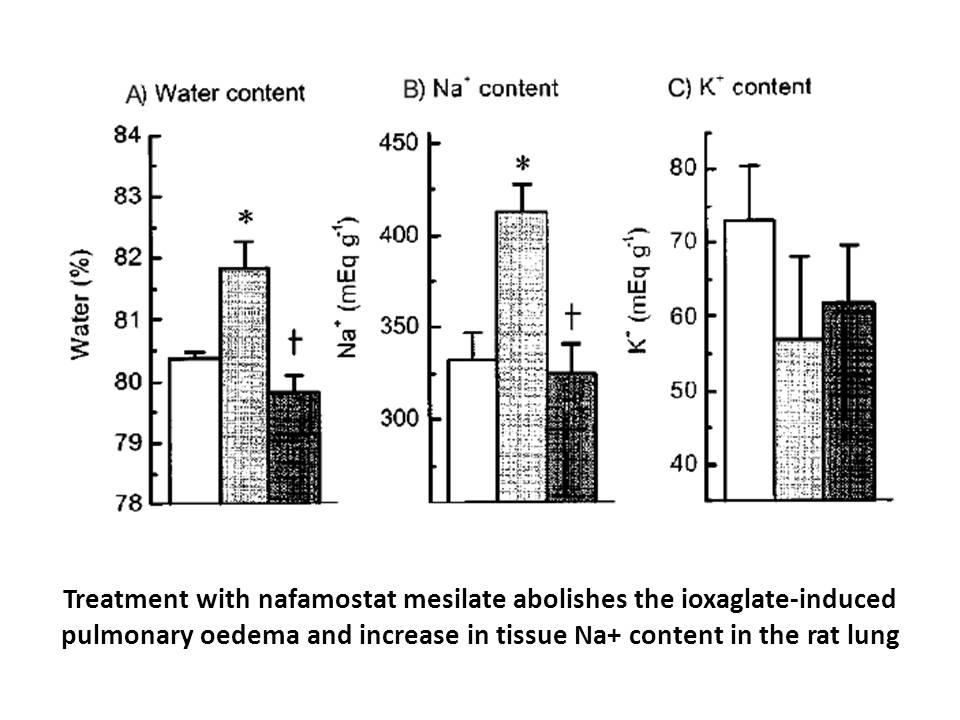
The main advantage of exploiting paper sludges as sources of cellulose-derived energy and chemicals in comparison to other lignocellulose substrates is their amenability, which is associated with an extensive pulping process that removes the majority of the lignin and exposes haloperidol haldol fib
-
br Acknowledgements This work was financially supported by I
2021-07-15

Acknowledgements This work was financially supported by Industrial Technology Institute, Sri Lanka through funds received from Sri Lankan Government Treasury (TG13/69). G. D. Liyanaarachchi received postgraduate research scholarship grant from National Science Foundation Sri Lanka (NSF/SCH/2017/0
-
In this study we have explored a functional role
2021-07-15
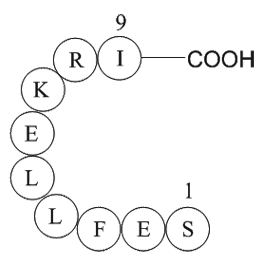
In this study we have explored a functional role of the oxysterol/EBI2 system in this process. In 2011 we and others reported the discovery of oxysterols as ligands for EBI2 [6], [7]. Oxysterols are metabolites generated by hydroxylation of cholesterol and have been linked to a variety of fundamenta
-
High concentrations of kC may also arise
2021-07-15
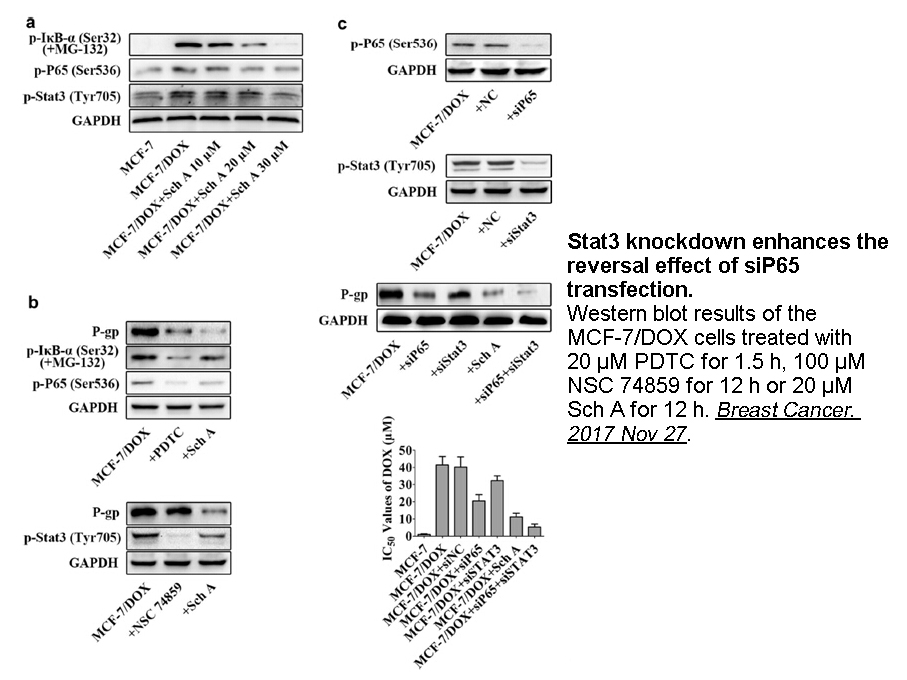
High concentrations of 7kC may also arise from dietary intake of processed cholesterol-rich food, likely favoring or worsening inflammatory bowel disease (IBD) [5,13]. Furthermore, IBD has been associated with a dysregulation of colonic 11β-HSD expression, exhibiting increased 11β-HSD1 and decreased
-
Tumor cells exposed to the
2021-07-15

Tumor gc1 exposed to the effect of these compounds were shown to become chemo and radio-sensitive. Based on that, it was possible to anticipate the selectivity requirement for DNA-PK inhibition and the best route for their development. Accordingly, prompted by the clinical significance and the thera
-
cGAS has a central role in STING
2021-07-15

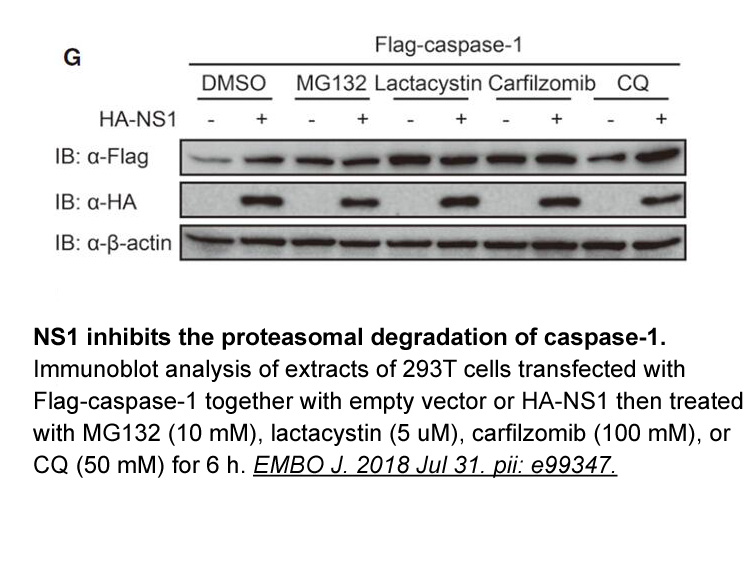
cGAS has a central role in STING activation after DNA sensing, but it is unknown if most of the DNA sensors act independently or in cooperation with the cGAS-cGAMP pathway. This was addressed for IFI16 (Almine et al., 2017, Jønsson et al., 2017) and PQBP1 (Yoh et al., 2015) but remains to be tested
-
Protein expression and purification A mL overnight culture o
2021-07-15
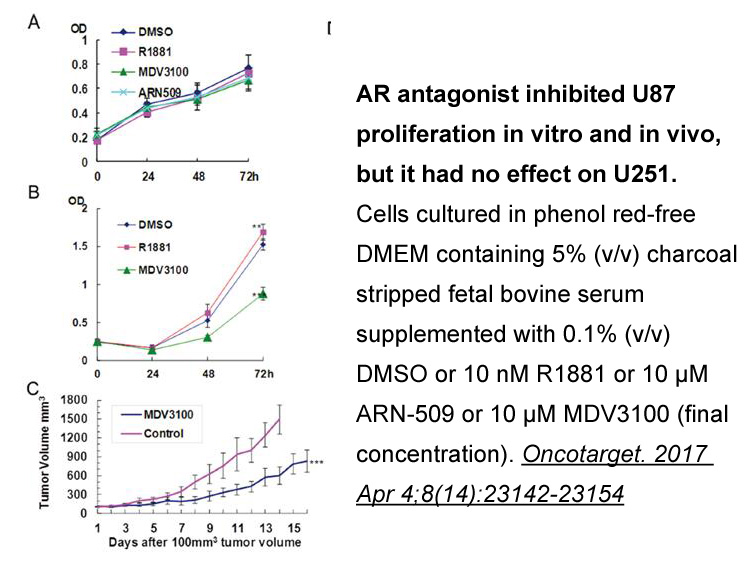
Protein expression and purification. A 3 mL overnight culture of E. coli BL21 (DE3) pLysS pGEX-6P-3-A1S_0222 was grown in Luria-Bertani (LB)-Medium (10 g/L tryptone, 5 g/L yeast extract, 5 g/L NaCl, pH 7.4, 100 μg/mL Amp) at 37 °C and 160 rpm. The overnight culture was diluted 1:100 into 200 mL LB (
16878 records 675/1126 page Previous Next First page 上5页 671672673674675 下5页 Last page