Archives
- 2026-08
- 2026-07
- 2026-06
- 2026-05
- 2026-04
- 2026-03
- 2026-02
- 2026-01
- 2025-12
- 2025-11
- 2025-10
- 2025-09
- 2025-03
- 2025-02
- 2025-01
- 2024-12
- 2024-11
- 2024-10
- 2024-09
- 2024-08
- 2024-07
- 2024-06
- 2024-05
- 2024-04
- 2024-03
- 2024-02
- 2024-01
- 2023-12
- 2023-11
- 2023-10
- 2023-09
- 2023-08
- 2023-07
- 2023-06
- 2023-05
- 2023-04
- 2023-03
- 2023-02
- 2023-01
- 2022-12
- 2022-11
- 2022-10
- 2022-09
- 2022-08
- 2022-07
- 2022-06
- 2022-05
- 2022-04
- 2022-03
- 2022-02
- 2022-01
- 2021-12
- 2021-11
- 2021-10
- 2021-09
- 2021-08
- 2021-07
- 2021-06
- 2021-05
- 2021-04
- 2021-03
- 2021-02
- 2021-01
- 2020-12
- 2020-11
- 2020-10
- 2020-09
- 2020-08
- 2020-07
- 2020-06
- 2020-05
- 2020-04
- 2020-03
- 2020-02
- 2020-01
- 2019-12
- 2019-11
- 2019-10
- 2019-09
- 2019-08
- 2019-07
- 2019-06
- 2019-05
- 2019-04
- 2018-11
- 2018-10
- 2018-07
-
br Sources of funding This work was supported by
2022-01-06

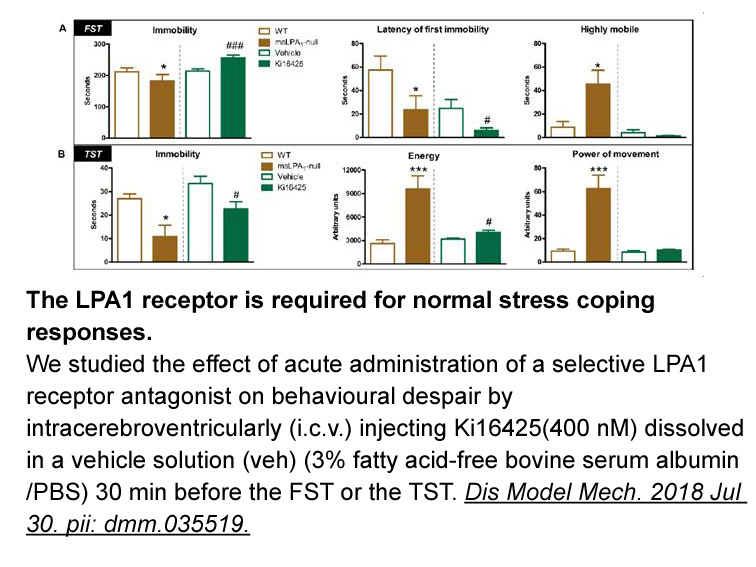
Sources of funding This work was supported by grants from the Canadian Institutes of Health Research (CIHR) (No. MOP-111096) and from the Heart and Stroke Foundation of Canada awarded to Dr. Danielle Jacques. Disclosures Acknowledgments Introduction A large number of epidemiological, hu
-
br Multiple sclerosis MS is an immune mediated disease of
2022-01-06
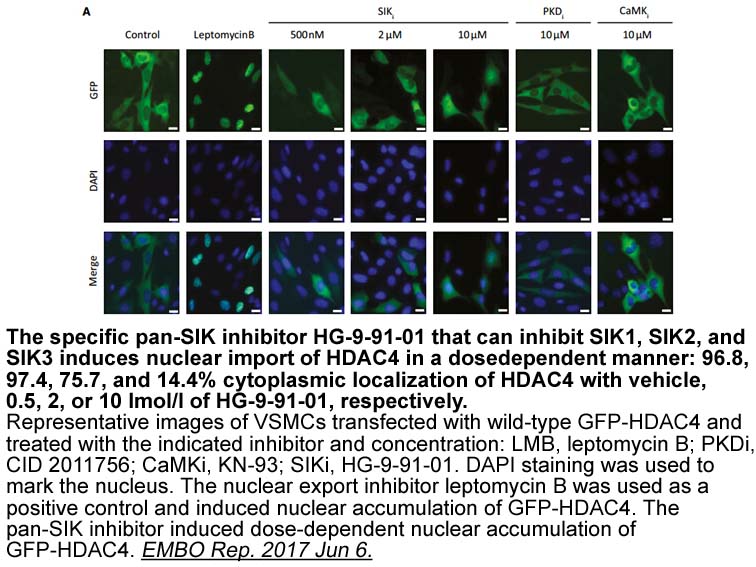
Multiple sclerosis MS is an immune-mediated disease of the human CNS with a pathological signature featuring immunocyte infiltration, altered cytokine production, oligodendroglial degeneration, astrogliosis, microglial activation, multifocal demyelination and axonal degeneration (Schipper, 2004b)
-
Compound containing dimethylglutarimide P cap P propyl group
2022-01-05
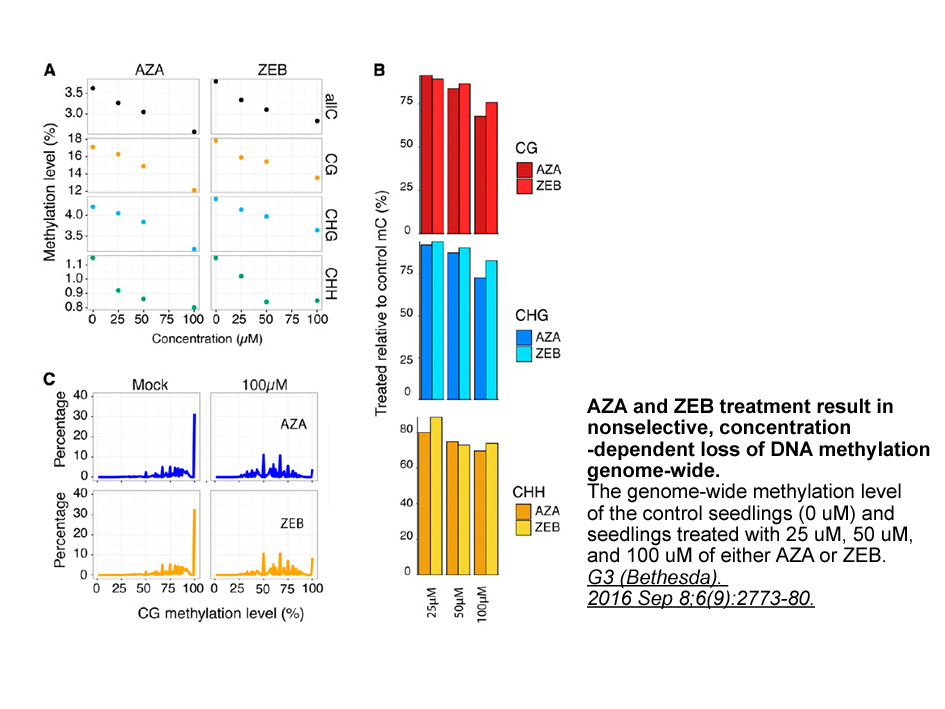
Compound containing, dimethylglutarimide P-cap, P propyl group, α-methylbenzyl urea resulted in inhibitor with much improved binding (=0.064μM) and EC=0.3μM. This was an aza-peptide analog with an EC comparable to our first generation clinical candidate . Analog was evaluated for its selectivity
-
br Introduction Glucose homeostasis is primarily regulated b
2022-01-05

Introduction Glucose homeostasis is primarily regulated by the hormones insulin and glucagon, secreted from the pancreatic islets of Langerhans. Although insulin produced by β BIX 01294 is the blood glucose-lowering hormone, glucagon secreted from α cells acts as the major counter-regulatory hor
-
Subsequently we decided to test whether the orexin pathway w
2022-01-05

Subsequently, we decided to test whether the orexin pathway was involved (Delhanty et al, 2012, Delhanty et al, 2013, Pei et al, 2014). Orexin neuronal systems are known to control limbic and neocortical structures (Bonnavion, de Lecea, 2010, Sakurai, 2007). Orexin receptors and possibly orexin synt
-
br Summary The presented results of the analysis
2022-01-05
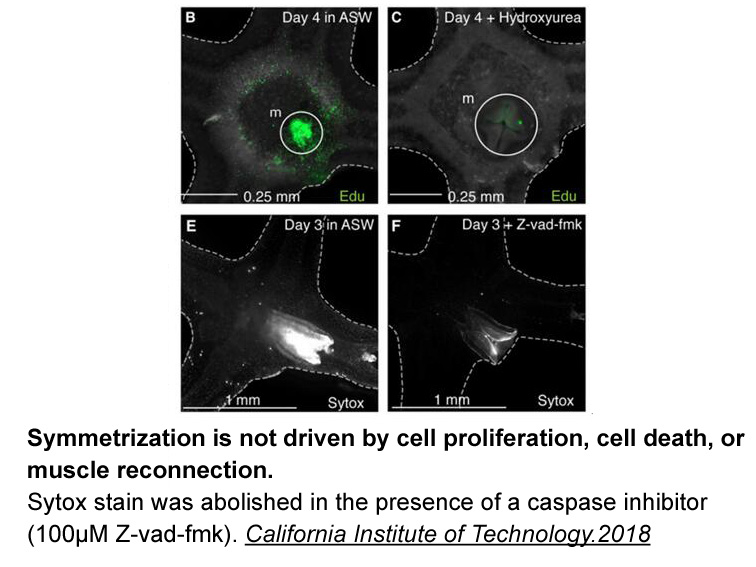
Summary The presented results of the analysis of the unfolding of G-quadruplex and i-motif, which may appear within the telomeric DNA region, led to several important conclusions. Namely, determination of the work necessary to unfold of these structures, in biased molecular dynamics involving st
-
Thrilled by these promising results our quest
2022-01-05
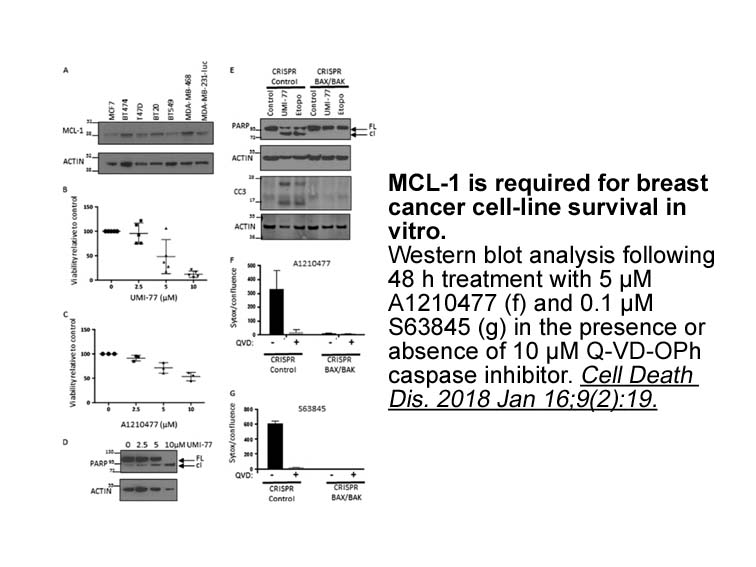
Thrilled by these promising results, our quest for discovering new PPAR-γ/FFAR1 co-agonists was directed towards exploring the other two new scaffolds. So, in this proposed manuscript, we will describe our efforts regarding the synthesis, biological evaluation and molecular docking studies of the be
-
br Acknowledgments We apologize to the researchers
2022-01-05
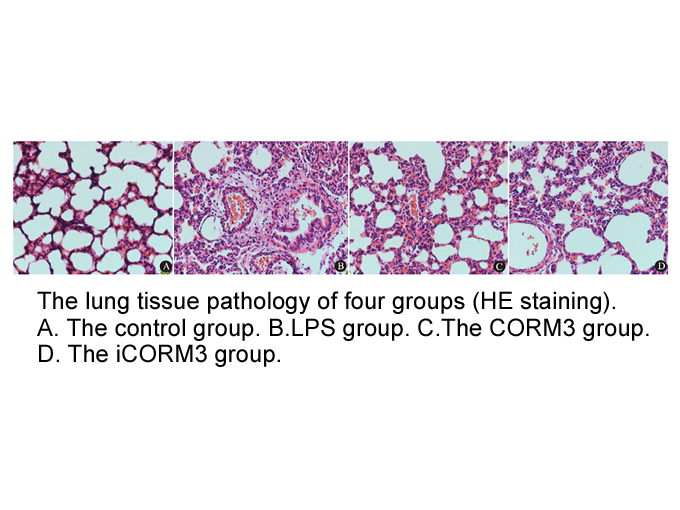
Acknowledgments We apologize to the researchers who were not referenced due to space limitations. We thank Christine Heiner (Department of Surgery, University of Pittsburgh) for her critical reading of the manuscript. This work was supported by grants from the US National Institutes of Health (R0
-
The replenishment time course of
2022-01-05
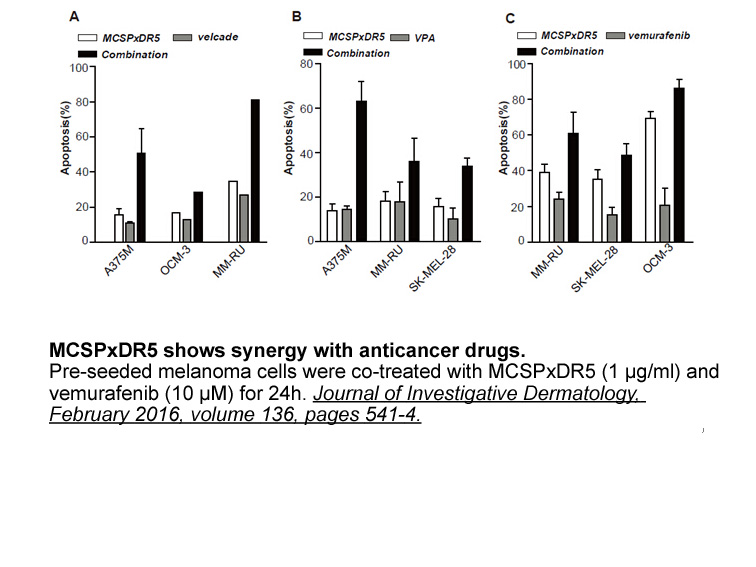
The replenishment time course of already-tethered vesicle to became release ready, was examined by TIRFM imaging combined with calcium uncaging. By UV-flash photolysis of caged calcium, intracellular calcium concentration raises rapidly and homogenously throughout the cell (Ellis-Davies, 2008). Upon
-
It has been suggested that MAPK
2022-01-05
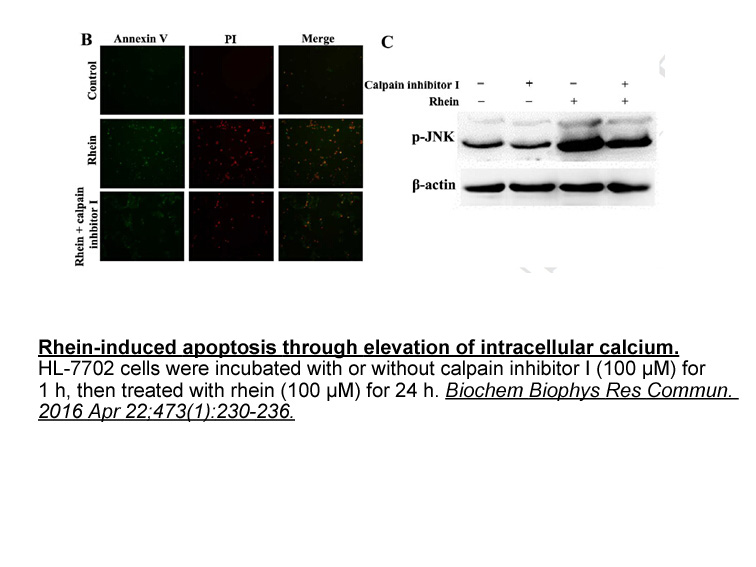
It has been suggested that MAPK (Huang et al., 2013, Uddman et al., 2003, Xu et al., 2008) signaling pathway is involved in the transcriptional upregulation of ETB receptor. The present study demonstrated that treatment with CsA increased phosphorylation of ERK1/2 and p38. Inhibition of ERK1/2 and p
-
We also evaluated the effect of
2022-01-05
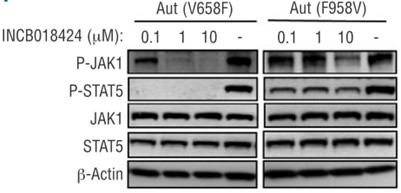
We also evaluated the effect of varying ionic strength. These experiments included previously characterized H3 (residues 1–21) and SNAIL (residues 1–9) peptides [8], [34] to allow a comparative analysis with different ligands (Fig. 1A). As shown in Fig. 2 and listed in Table 2, it is evident that a
-
Apoptosis is one of critical toxic mechanisms of benzene
2022-01-04
Apoptosis is one of critical toxic mechanisms of benzene metabolites. In this work, overexpression of HIF-1a could significantly reduce the increase in cell apoptosis caused by 40 μM BQ. At the meanwhile, anti-apoptotic protein Bcl-2 level was significantly elevated in HIF-1a overexpression cells th
-
br Materials and methods br Results br Discussion Serum
2022-01-04
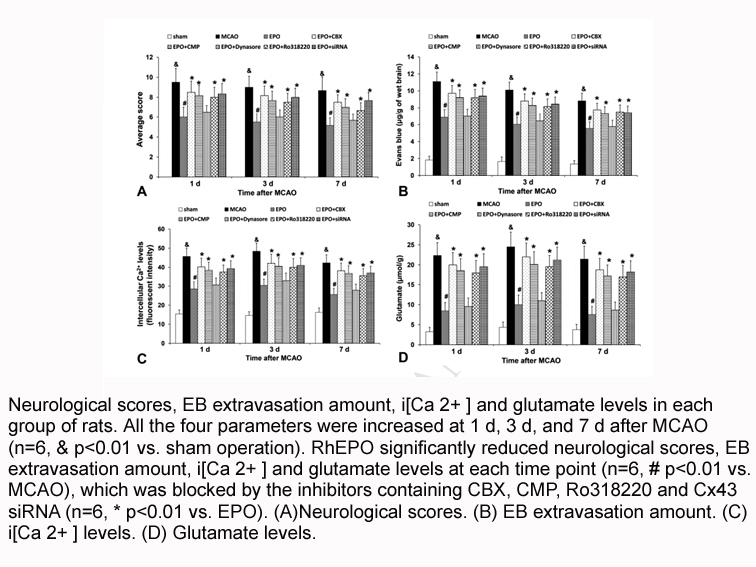
Materials and methods Results Discussion Serum HBsAg is not only an important serological marker for the screening and diagnosis of HBV infection but also an important indicator for the treatment of hepatitis B [15]. Jaroszewicz et al. [4] and Nguyen et al. [8] reported that the HBsAg level
-
To the best of our knowledge this is the first
2022-01-04
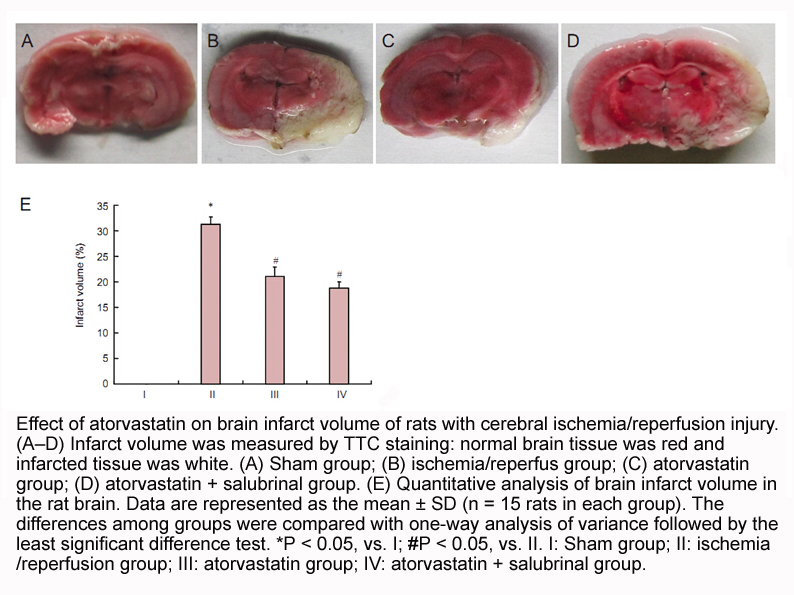
To the best of our knowledge, this is the first study to examine functional GSTO1‐1 activity in the cornea. Therefore, comparative data for human or animals is not available. Moreover, we observed the nonspecific degradation of the GSTO1‐1 substrate 4NPG via an unknown mechanism, which was corrected
-
Transient forebrain ischemia in rodents induces a reduction
2022-01-04
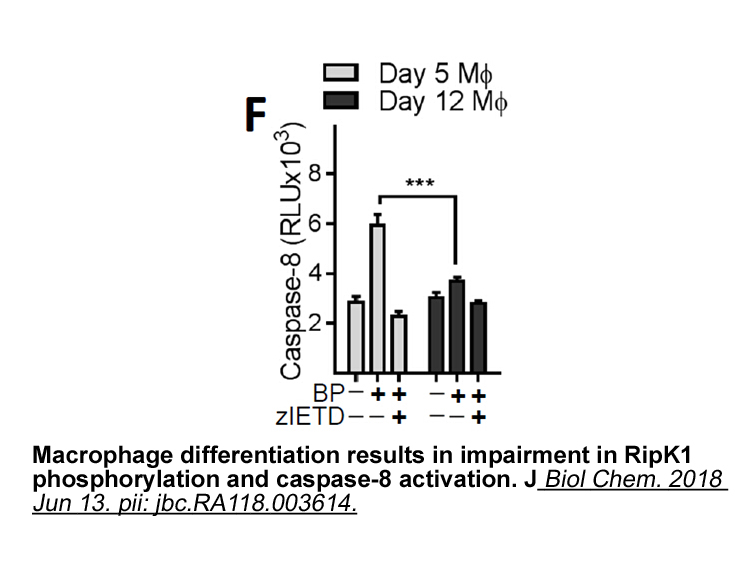
Transient forebrain ischemia in rodents induces a reduction in expression of mRNA encoding the AMPA receptor subunit GluR265, 66, 67, 68, 69 (Fig. 3). gluR2 mRNA expression is markedly reduced in the CA1 region (the Acitretin region most vulnerable to ischemia-induced damage), but not in the CA3 re
16879 records 572/1126 page Previous Next First page 上5页 571572573574575 下5页 Last page