Archives
- 2026-08
- 2026-07
- 2026-06
- 2026-05
- 2026-04
- 2026-03
- 2026-02
- 2026-01
- 2025-12
- 2025-11
- 2025-10
- 2025-09
- 2025-03
- 2025-02
- 2025-01
- 2024-12
- 2024-11
- 2024-10
- 2024-09
- 2024-08
- 2024-07
- 2024-06
- 2024-05
- 2024-04
- 2024-03
- 2024-02
- 2024-01
- 2023-12
- 2023-11
- 2023-10
- 2023-09
- 2023-08
- 2023-07
- 2023-06
- 2023-05
- 2023-04
- 2023-03
- 2023-02
- 2023-01
- 2022-12
- 2022-11
- 2022-10
- 2022-09
- 2022-08
- 2022-07
- 2022-06
- 2022-05
- 2022-04
- 2022-03
- 2022-02
- 2022-01
-
br Materials and methods br Results br Discussion
2025-01-16
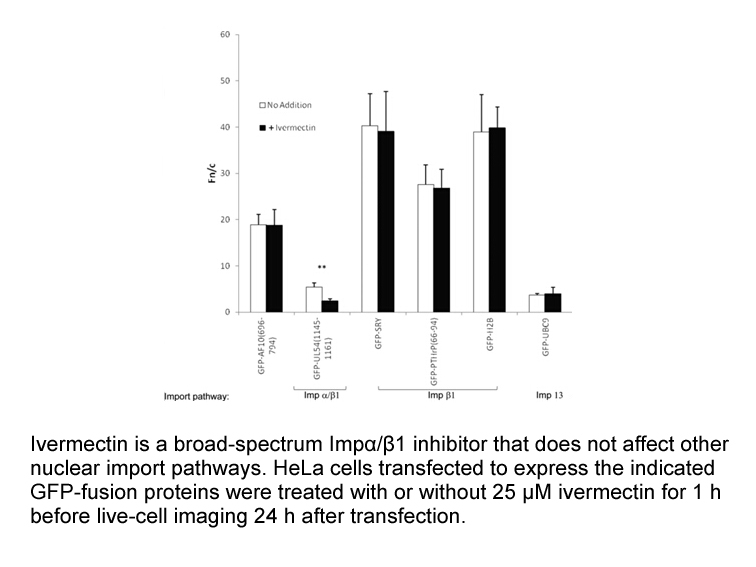
Materials and methods Results Discussion Conclusions These studies provide important mechanistic insights to explain the long-established physiological observation that obese adipose tissue has higher rates of basal lipolysis. Increased lipolysis contributes to increased hepatic Lck Inhi
-
The anorexic effect observed when AR is infused into
2025-01-16
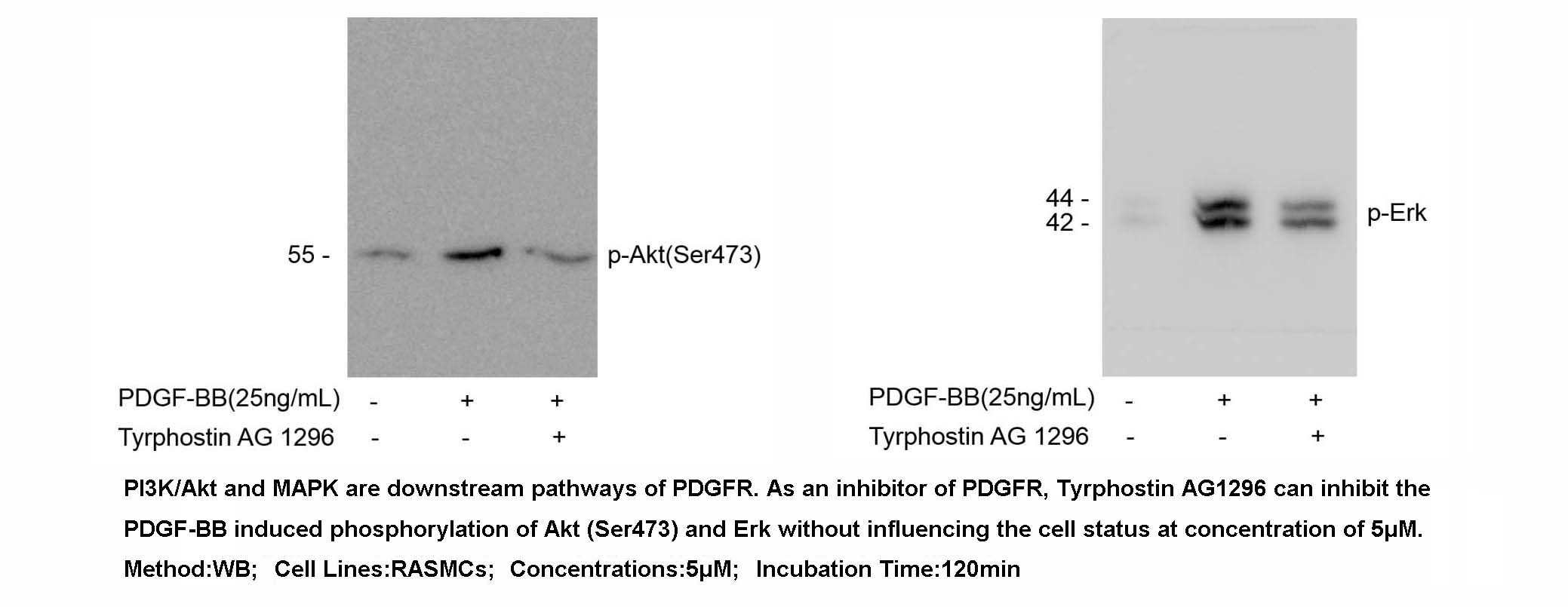
The anorexic effect observed when AR231630 is infused into the VTA could be the result of the DA release inhibition, as previously described [11]. However, there is also a hedonic aspect in feeding that possibly involves dopaminergic mechanisms of reward. Helm et al. showed a functional link between
-
The AR signalling pathways play important roles
2025-01-16
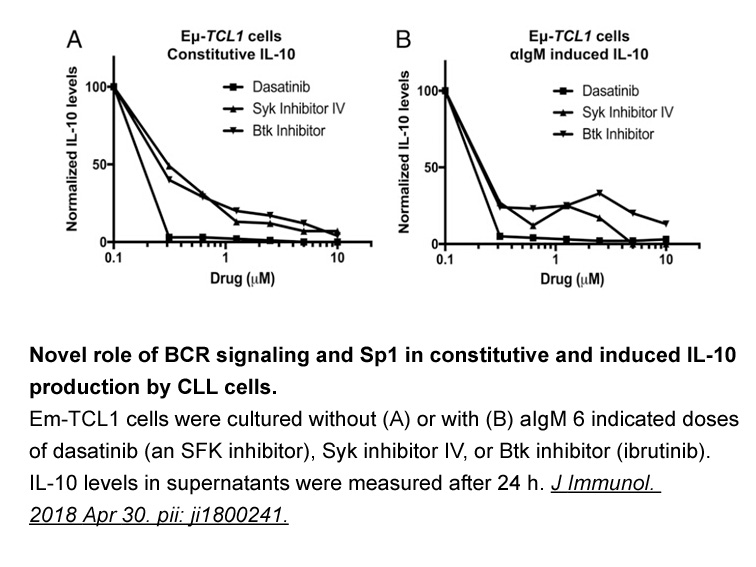
The AR signalling pathways play important roles in several physiopathological processes associated with ischaemia, inflammation, and tumourigenesis [35]. Moreover, A3AR is overexpressed in different tumour α-Naphthoflavone and seems implicated in pro- or anti-apoptotic effects [36]. In particular,
-
Despite functional studies demonstrating the role
2025-01-16
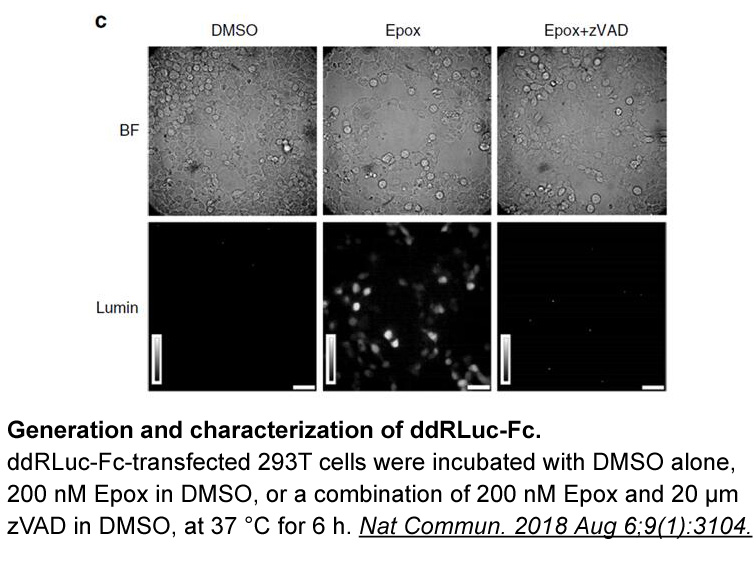
Despite functional studies demonstrating the role of 5-HT in ureteral contractility, the source of endogenous 5-HT in the ureter is unclear. Since 5-HT-containing enterochromaffin cells, which are present in the gastrointestinal tract, could not be found in the ureter (Nocito et al., 2007, Ripoche,
-
br Conclusion br Acknowledgements br Introduction Synapses
2025-01-15
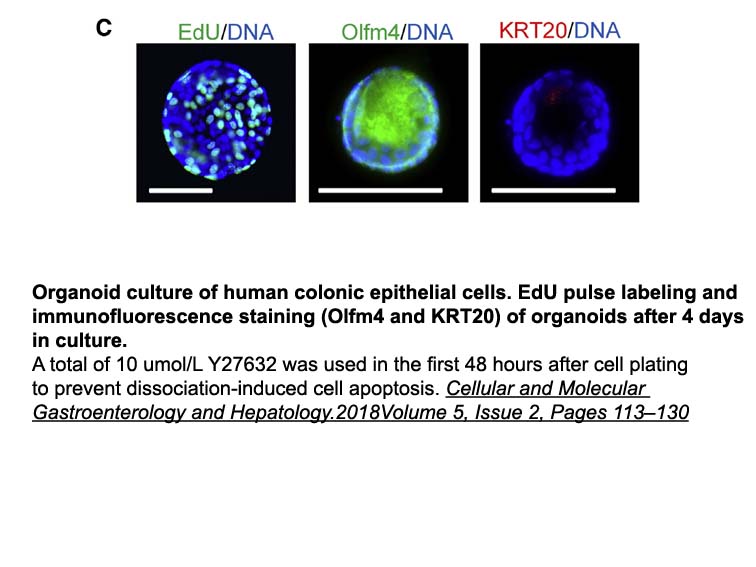
Conclusion Acknowledgements Introduction Synapses are the fundamental elements of neuronal networks that enable the processing, encoding, and retrieval of information in the brain, and pathological disruptions in synapse structure are broadly held to underlie the development of neurological
-
br Introduction Humans have consumed mushrooms for centuries
2025-01-15
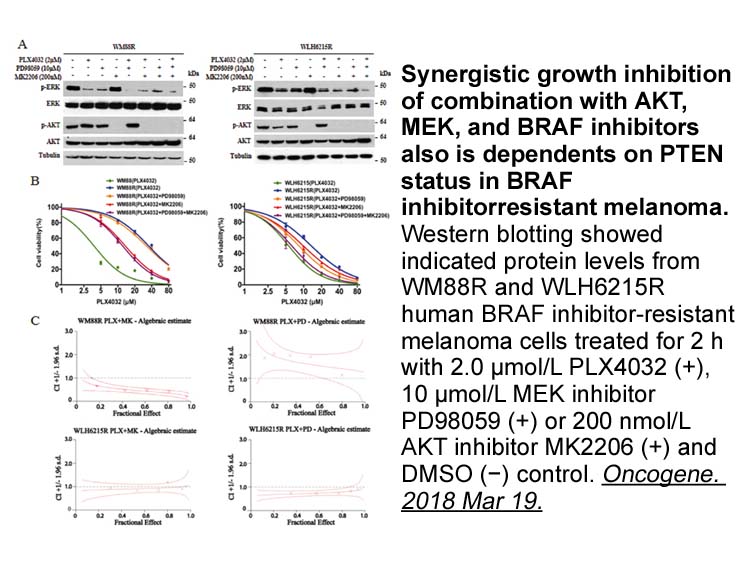
Introduction Humans have consumed mushrooms for centuries because of their high nutrient content and low lipid content, as well as their excellent flavor and texture [1]. Edible mushrooms possess notable medicinal properties and bioactivities, including antitumor, antiviral, antidiabetic, and ant
-
Consistent with the above prediction
2025-01-15
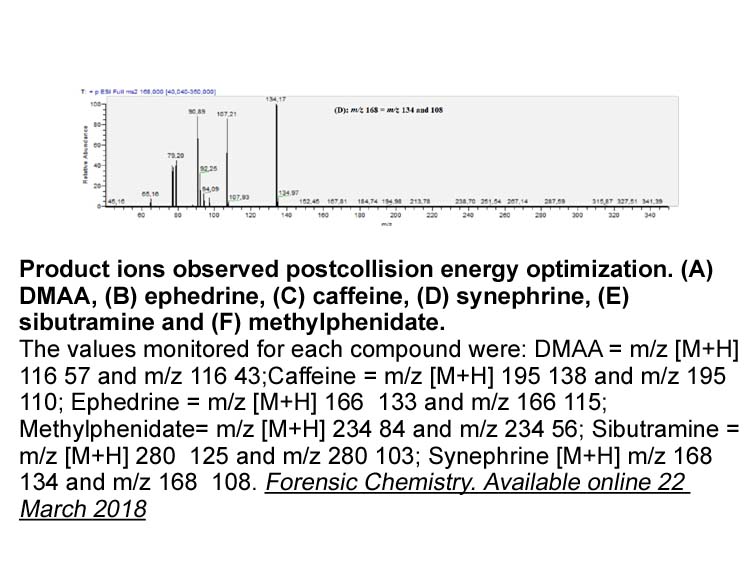
Consistent with the above prediction, there are additional reports in which HMGA proteins have been demonstrated to facilitate recruitment of chromatin remodeling complexes to gene regulatory regions containing positioned nucleosomes during the transcriptional activation process. One particularly il
-
br Economics consequences of antibiotic
2025-01-15
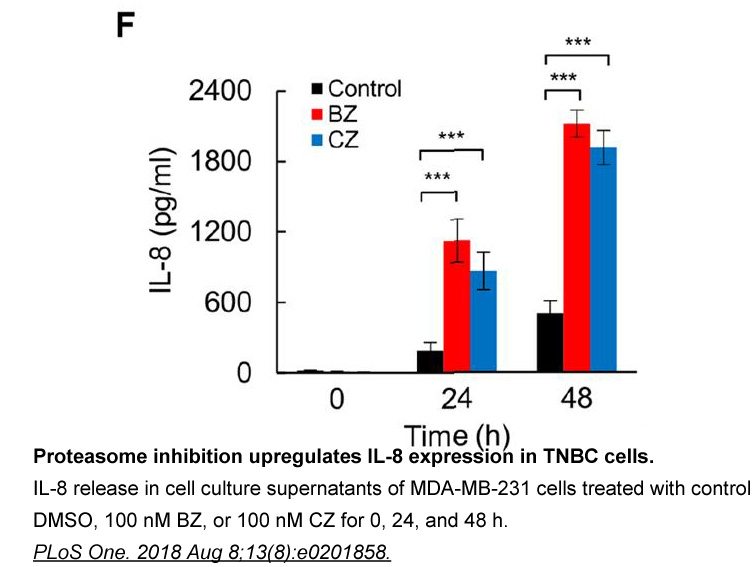
Economics consequences of antibiotic resistance in a SICU In the era of cost-containment, surgeons also need to consider the economic impact of antibiotic resistance in the surgical patient. Antibiotic-resistant infections are more difficult to treat, are more costly and more likely to be fatal t
-
Medium spiny neurons MSNs in the striatum start from
2025-01-15
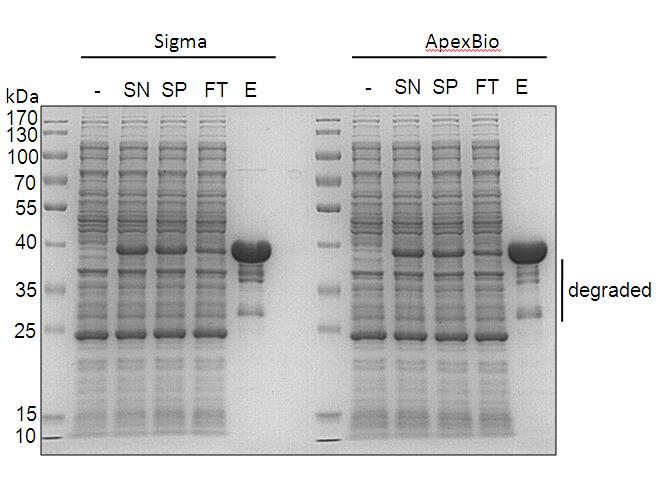
Medium spiny neurons (MSNs) in the striatum start from a deeply hyperpolarized resting membrane potential, slowly depolarize and show a delayed start of firing during a current injection (Kawaguchi, 1993, Nisenbaum and Wilson, 1995, Planert et al., 2013). The firing pattern during the current inject
-
br The role of cytochrome b with cytochrome P hydroxylase
2025-01-14
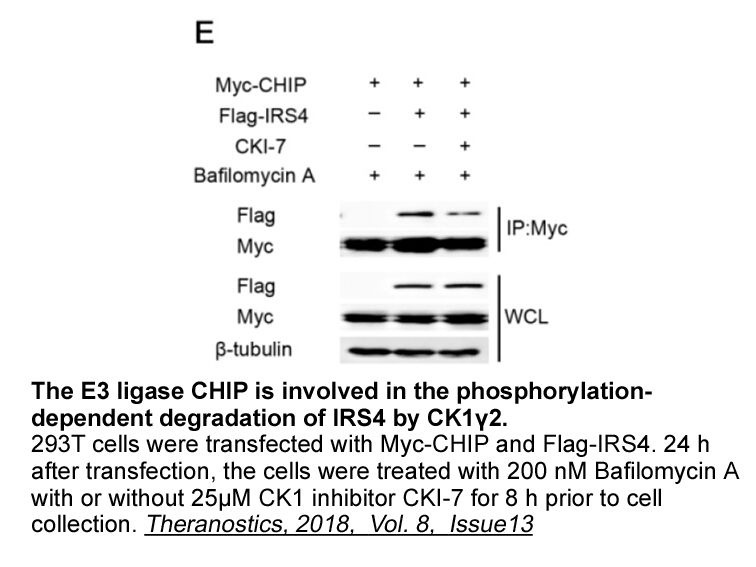
The role of cytochrome b5 with cytochrome P450 17α-hydroxylase/17,20-lyase Conclusion Acknowledgments LLM and RJR wish to thank the Australian Research Council and the National Health and Medical Research Council of Australia for funding. The problem One area of modern medicine that con
-
Introduction Apoptosis signal regulating kinase ASK a family
2025-01-14
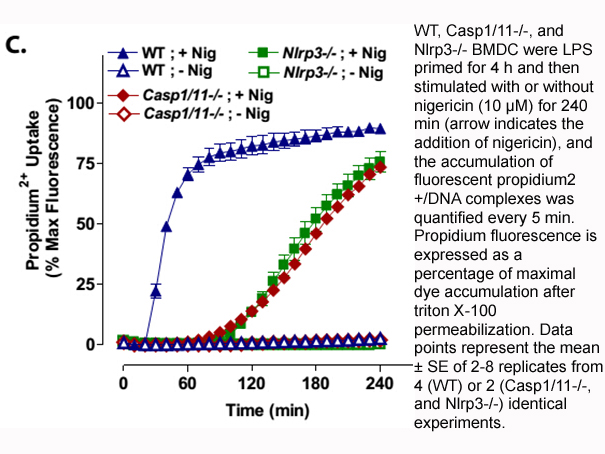
Introduction Apoptosis signal-regulating kinase 1 (ASK1), a family member of the mitogen-activated protein (MAP) kinase kinase kinase (MAP3K) family, selectively activates the JNK and p38 MAP kinase pathways in response to various types of stresses, including oxidative stress, and subsequently indu
-
Evidence from basic science studies suggests
2025-01-13
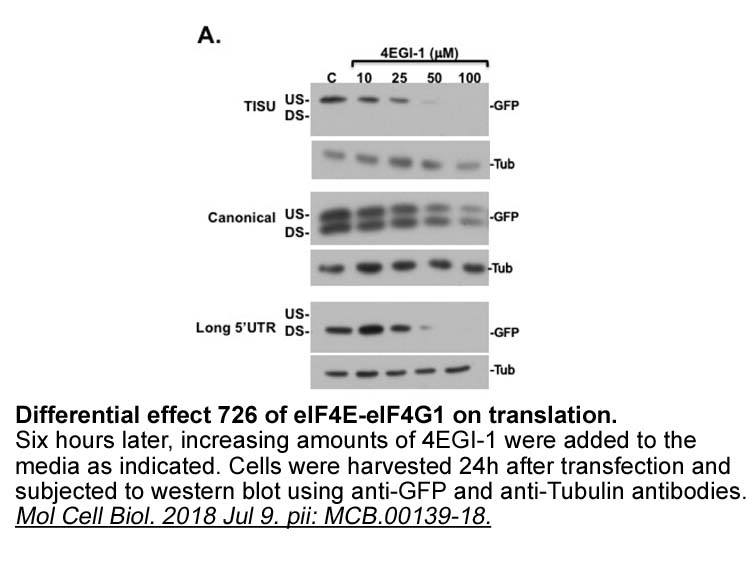
Evidence from basic science studies suggests that Cd may play a role in prostate cancer through disruption of the androgen receptor (AR). AR, a hormone-activated transcription factor, is the key driver of prostate cancer progression [6]. Ironically, the AR is also required for normal prostate growth
-
All desired compounds with a carboxylic acid substituent at
2025-01-13
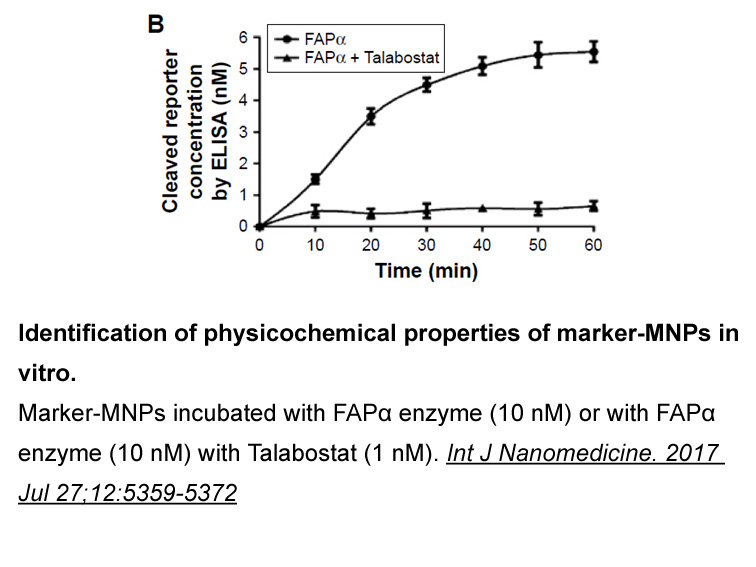
All desired compounds with a carboxylic sanguinarine substituent at N1 position of the quinoxalinone scaffold and a variety of aromatic substituents at C3 position were obtained by the syntheses starting from methoxy-substituted 3-chloro-quinoxalin-2(1)-ones () prepared as previously. As shown in ,
-
Cells have developed strategies aiming to
2025-01-13
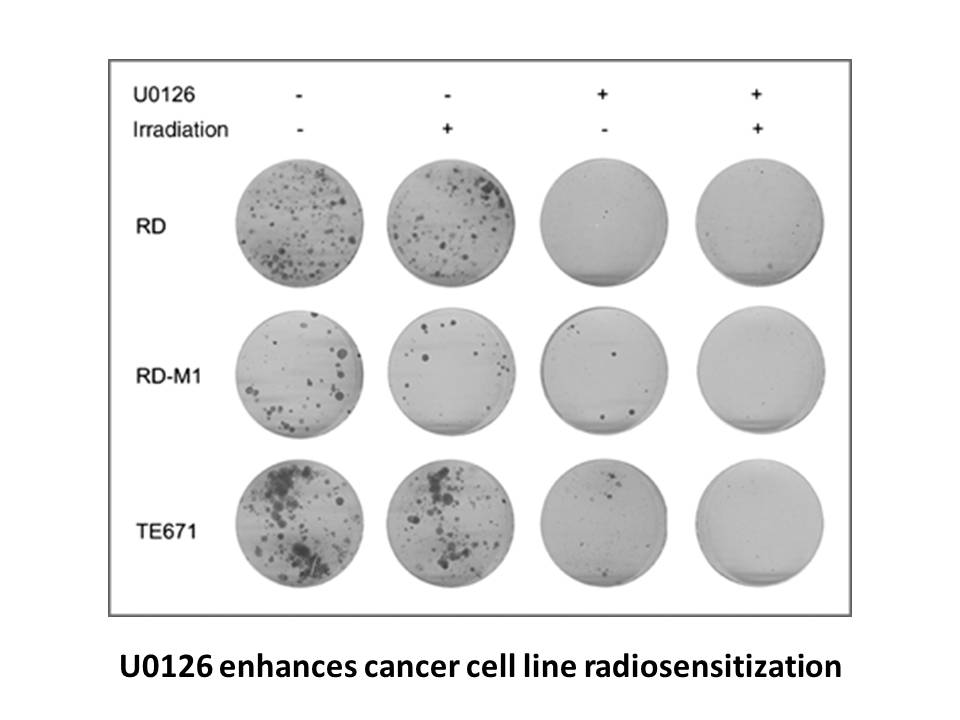
Cells have developed strategies aiming to enhance both the efficiency of proteins with chaperone activity as well as their overall antioxidant capacity to maintain proteostasis under oxidative stress conditions (Miyata et al., 2012). For instance, 2-Cys peroxiredoxin is an abundantly expressed, anti
-
The AhR molecule is composed
2025-01-13
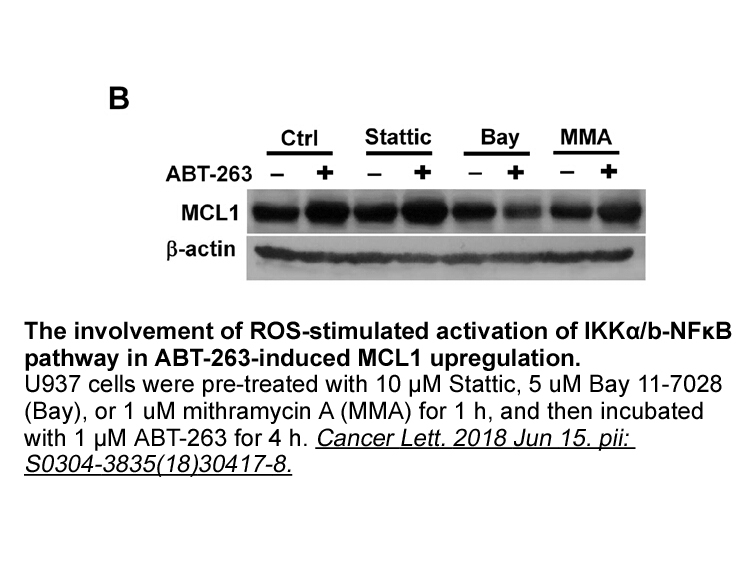
The AhR molecule is composed of multiple functional domains [38]. In the N-terminal end, the AhR contains bHLH domain which is involved in DNA binding, dimerization with ARNT and association with chaperone proteins. The PAS domain, which is situated next to the bHLH domain consists of two structural
8608 records 56/574 page Previous Next First page 上5页 5657585960 下5页 Last page