Archives
- 2026-08
- 2026-07
- 2026-06
- 2026-05
- 2026-04
- 2026-03
- 2026-02
- 2026-01
- 2025-12
- 2025-11
- 2025-10
- 2025-09
- 2025-03
- 2025-02
- 2025-01
- 2024-12
- 2024-11
- 2024-10
- 2024-09
- 2024-08
- 2024-07
- 2024-06
- 2024-05
- 2024-04
- 2024-03
- 2024-02
- 2024-01
- 2023-12
- 2023-11
- 2023-10
- 2023-09
- 2023-08
- 2023-07
- 2023-06
- 2023-05
- 2023-04
- 2023-03
- 2023-02
- 2023-01
- 2022-12
- 2022-11
- 2022-10
- 2022-09
- 2022-08
- 2022-07
- 2022-06
- 2022-05
- 2022-04
- 2022-03
- 2022-02
- 2022-01
- 2021-12
- 2021-11
- 2021-10
- 2021-09
- 2021-08
- 2021-07
- 2021-06
- 2021-05
- 2021-04
- 2021-03
- 2021-02
- 2021-01
- 2020-12
- 2020-11
- 2020-10
- 2020-09
- 2020-08
- 2020-07
- 2020-06
- 2020-05
- 2020-04
- 2020-03
- 2020-02
- 2020-01
- 2019-12
- 2019-11
- 2019-10
- 2019-09
- 2019-08
- 2019-07
- 2019-06
- 2019-05
- 2019-04
- 2018-11
- 2018-10
- 2018-07
-
br Niacin has long been used for the treatment
2022-03-29
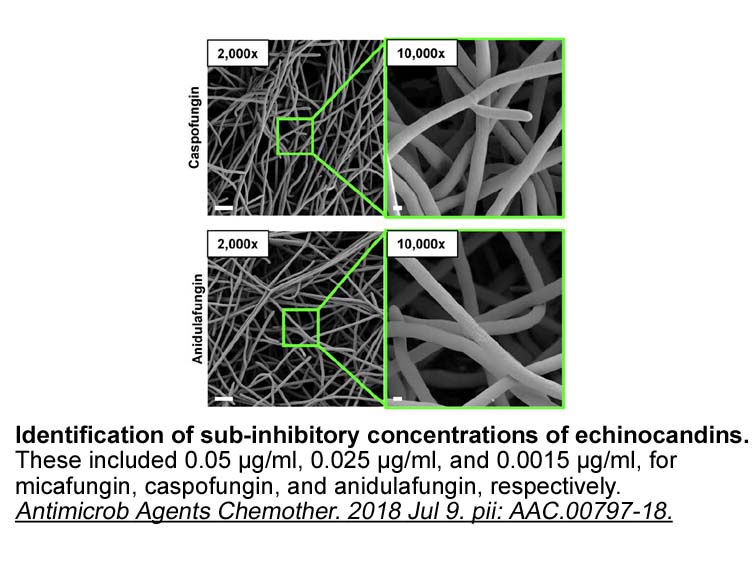
Niacin () () has long been used for the treatment of lipid disorders and for the prevention of cardiovascular disease, the leading cause of death in the U.S., as a result of its ability to raise high-density lipoprotein (HDL) levels. Recent mechanistic investigations have shown that niacin may exe
-
The activation of the ERK pathway participates in the transm
2022-03-29

The activation of the ERK pathway participates in the transmission of pain signaling by sensitizing primary afferents (Ji et al., 2009, Lai et al., 2011). Thus, the blockade of ERK activation in the primary sensory Cy5 EGFP mRNA can reduce the mechanical hypersensitivity and the thermal hypersensit
-
br Results and discussion br Conclusions TZDs
2022-03-29

Results and discussion Conclusions TZDs represent a well-studied group of antidiabetic agents. Based on previous observations of the ability of some TZDs to activate FFAR1, we designed five scaffolds consisting of the TZD head, a linker, and a carefully selected privileged structure. For the p
-
br Acknowledgements br Introduction Benzodiazepine BZ treatm
2022-03-29
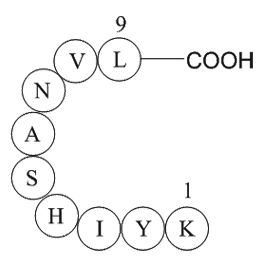
Acknowledgements Introduction Benzodiazepine (BZ) treatment is widely used for quick and efficient anxiolytic and sedative responses. However, when the use is extended to longer periods, adverse effects emerge. These include tolerance to the initial drug effect, dependence as revealed by withd
-
Accordingly a bioassay guided approach was been used
2022-03-29
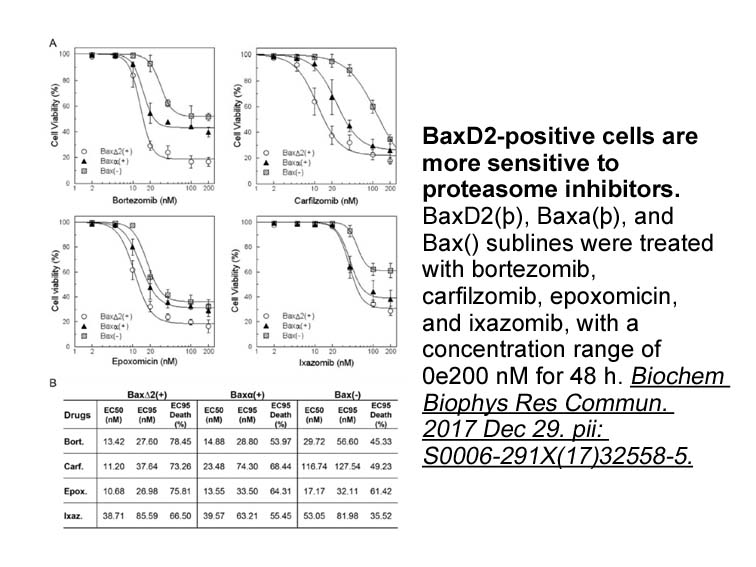
Accordingly, a bioassay-guided approach was been used to study the bioactive compounds in VAS contribute to the α-glucosidase inhibitory and antioxidant activity. The 95% ethanol extraction of VAS was successively partitioned with petroleum ether, ethyl acetate and n-butanol. Ethyl acetate fraction
-
saha histone According to the aforementioned preclinical and
2022-03-29
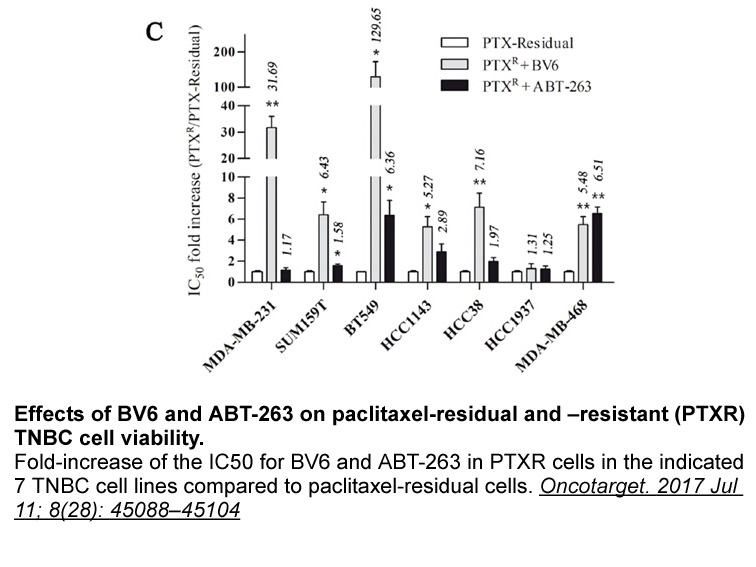
According to the aforementioned preclinical and clinical data, GHS-R1a blockade appears to be a potential pharmacological approach to treat AUD. Given that GHS-R1a has high constitutive (ligand-independent) activity, inverse agonism of the receptor may exert more potent and desirable effects than pu
-
br A small conductance chloride channel SCC In
2022-03-29

A small conductance chloride channel (SCC) In addition to the above-described channels, a 5pS SCC has been encountered in electrophysiological recordings. This channel, exhibiting long periods of opening separated by long intervals of closing, showed the same characteristics as the SCC described
-
Sulfo-NHS-Biotin br Experimental br Results and discussion b
2022-03-29
Experimental Results and discussion Conclusion In conclusion, four bisnaphthalimides have been investigated for their potential G-quadruplex binding. The compounds 3a, 3b and 5b display high affinity for telomeric and oncogenic G-quadruplexes. On the other hand, 5a only show high affinity f
-
In case where an extreme loop of
2022-03-29
In case where an extreme loop (of up to 45 nt) is allowed, as in G3 + E3 + XX, however, a G3+GQ loop maximum of 3 was adequate to reach high J-statistic. It continued to increase only up to 6 as the loop maximum. (Fig. 1A) Hence we suggest using a G3+GQ loop maximum between 3 and 6 where an extreme
-
Target regulated the formation of
2022-03-29
Target-regulated the formation of G-quadruplex was used here to “kill two Gemcitabine with one stone” for the detection of melamine and I− with one probe DNA. G-quadruplexes are higher-order structures formed from G-rich oligonucleotides through the stacking of planar G-tetrads [43,44]. They have be
-
The newly synthesized compounds were evaluated for their FAA
2022-03-28
The newly synthesized compounds were evaluated for their FAAH inhibitory activity in vitro. In addition, molecular modeling, selectivity and reversibility behavior of the new class of FAAH inhibitors are presented in this article. Results and discussion The potency of inhibition on the human rec
-
In addition the interplay of
2022-03-28
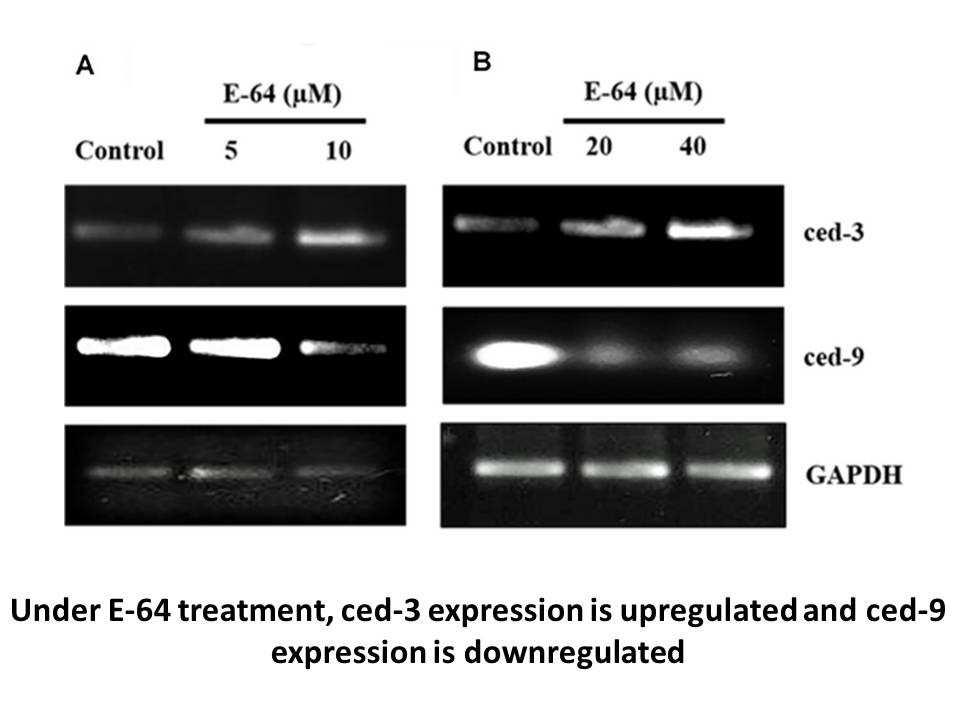
In addition the interplay of membrane curvature induced tension at the fusion pore and 4-DAMP sale induced tension across the PM seems to be a worthwhile target for investigation. The roles of dynamin and myosin II and especially their spatial and temporal dynamics during activity warrant further r
-
br Conclusions Histone acetylation deacetylation
2022-03-28
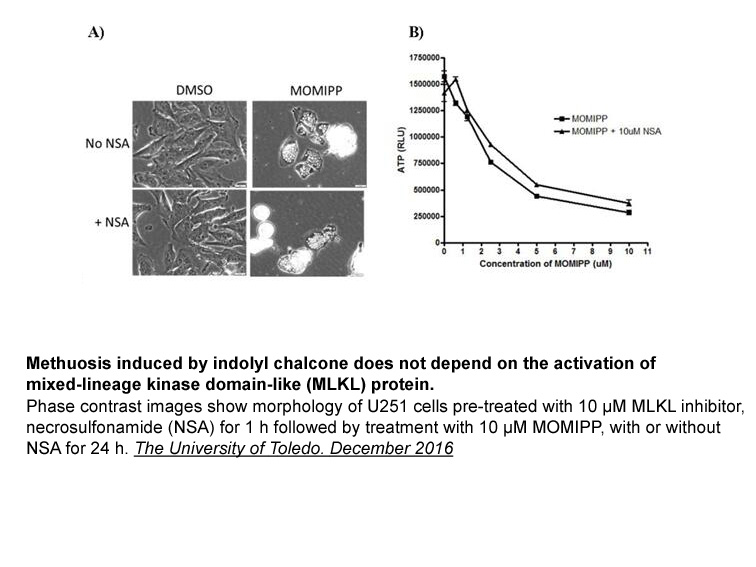
Conclusions Histone acetylation/deacetylation is a major epigenetic mechanism implicated in the regulation of transcription and various biological processes such as development and gametogenesis from plants to vertebrates. However, despite being well characterized in zebrafish, acetyltransferase
-
Hippo pathway proteins could synergistically regulate germ c
2022-03-28
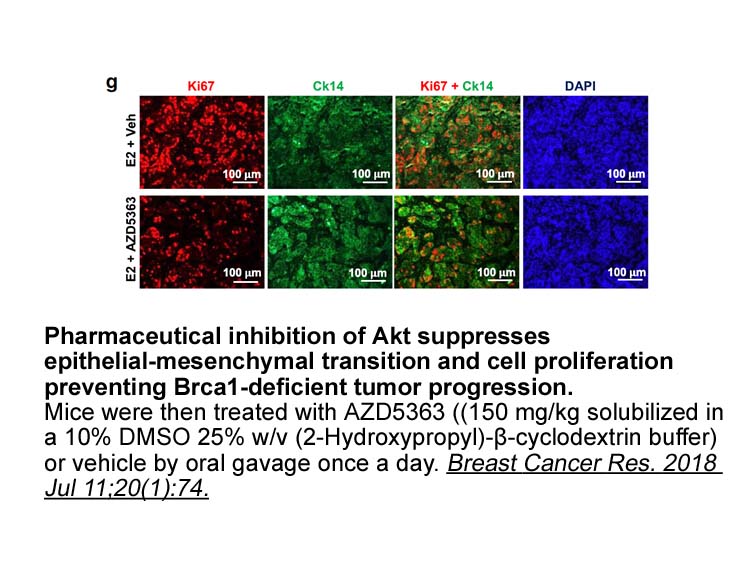
Hippo pathway proteins could synergistically regulate germ cell development with some specific receptors. Kassab et al. [27] found that epidermal growth factor (EGF) receptor was localized in testicular germ honokiol and played important roles in bovine spermatogenesis. Likewise, insulin-like growt
-
a-MSH, amide br HO and cerebral malaria In a post mortem
2022-03-28
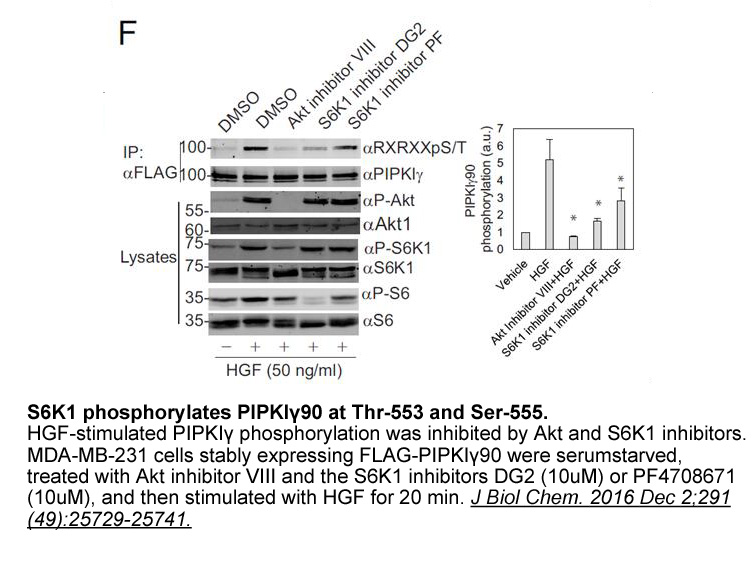
HO-1 and cerebral malaria In a post-mortem evaluation of human cerebral (falciparum) malaria, strong HO-1 immunostaining was consistently noted in microglia/macrophages within and surrounding the pathognomonic Durck’s granulomas (Schluesener et al., 2001). As witnessed in cerebral trauma specimen
16879 records 522/1126 page Previous Next First page 上5页 521522523524525 下5页 Last page