Archives
- 2026-08
- 2026-07
- 2026-06
- 2026-05
- 2026-04
- 2026-03
- 2026-02
- 2026-01
- 2025-12
- 2025-11
- 2025-10
- 2025-09
- 2025-03
- 2025-02
- 2025-01
- 2024-12
- 2024-11
- 2024-10
- 2024-09
- 2024-08
- 2024-07
- 2024-06
- 2024-05
- 2024-04
- 2024-03
- 2024-02
- 2024-01
- 2023-12
- 2023-11
- 2023-10
- 2023-09
- 2023-08
- 2023-07
- 2023-06
- 2023-05
- 2023-04
- 2023-03
- 2023-02
- 2023-01
- 2022-12
- 2022-11
- 2022-10
- 2022-09
- 2022-08
- 2022-07
- 2022-06
- 2022-05
- 2022-04
- 2022-03
- 2022-02
- 2022-01
-
br The human CYP A gene is located on chromosome
2024-05-23

The human CYP17A1 gene is located on chromosome 10q24.3 (1) and spans 6.6 kb, which contain eight exons (2) and 1.6 kb of coding region. From this gene, the same 2.1-kb mRNA species is transcribed in both the adrenals and gonads (3), which yields a 57-kDa microsomal cytochrome P450c17 enzyme (CYP1
-
Crohn s disease an inflammatory bowel disease that affects
2024-05-23
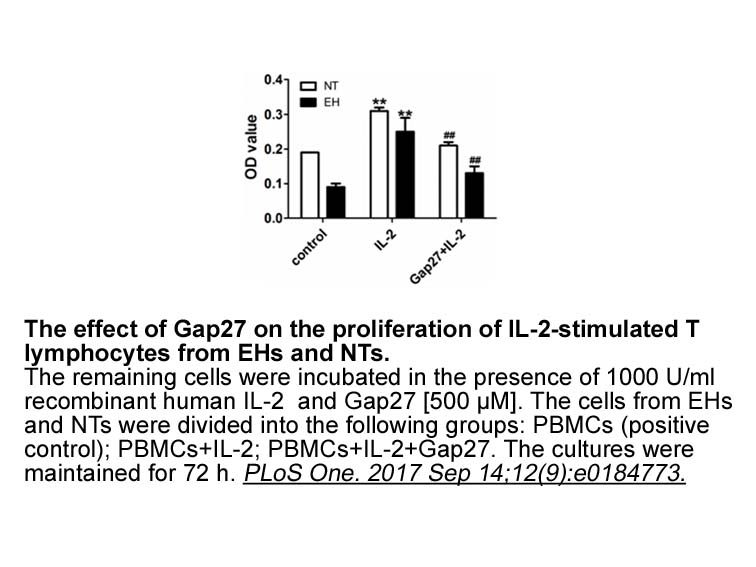
Crohn’s disease, an inflammatory bowel disease that affects the gastrointestinal (GI) tract, is characterized by a polymorphism in ULK1 autophagy gene due to the presence of single nucleotide polymorphisms (SNPs). Thus, the autophagic process is impaired during the disease. The mutations in the leuc
-
Further important evidence for G protein
2024-05-23
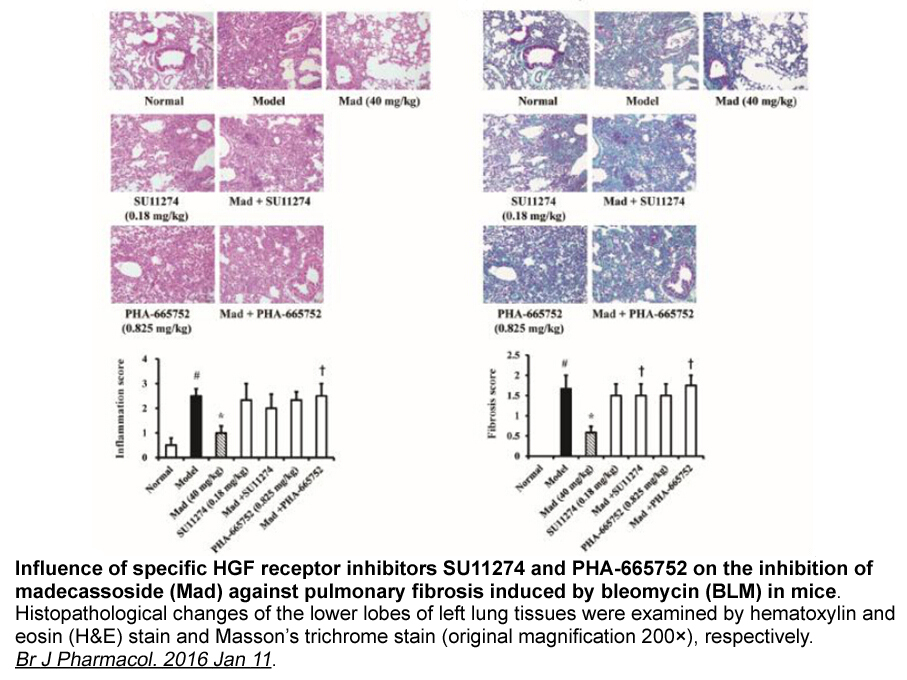
Further important evidence for G protein signaling on early endosomes has been subsequently obtained for the β2-adrenegic receptor using fluorescently-tagged conformation-sensitive nanobodies selectively recognizing the active receptor and Gs protein [43]. More recently, our group used a combinatio
-
Apelin is a peptide hormone
2024-05-22
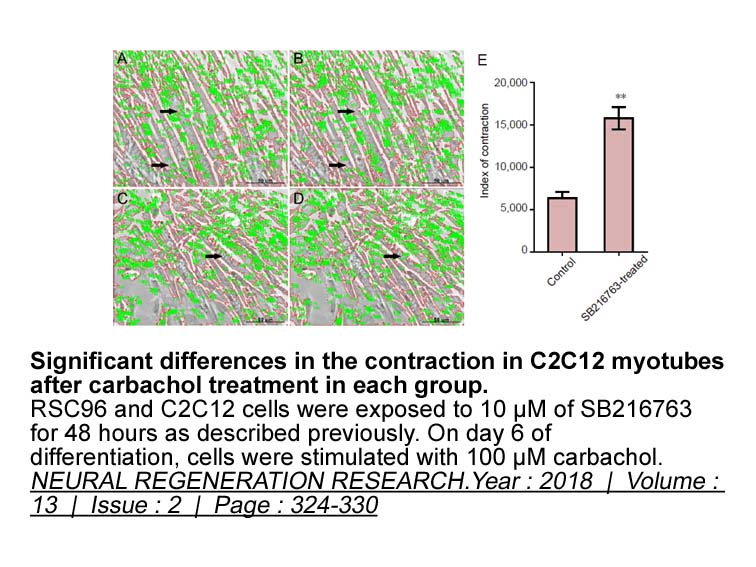
Apelin is a peptide hormone and an endogenous ligand for a G protein-coupled receptor named APJ [7], [8], and apelin and APJ are widely expressed in human organs including hypothalamus, heart, lungs, kidneys, adipose tissue, muscles, and others [9]. Apelin is initially synthesized as a 77-amino-acid
-
br The role of apelin
2024-05-22
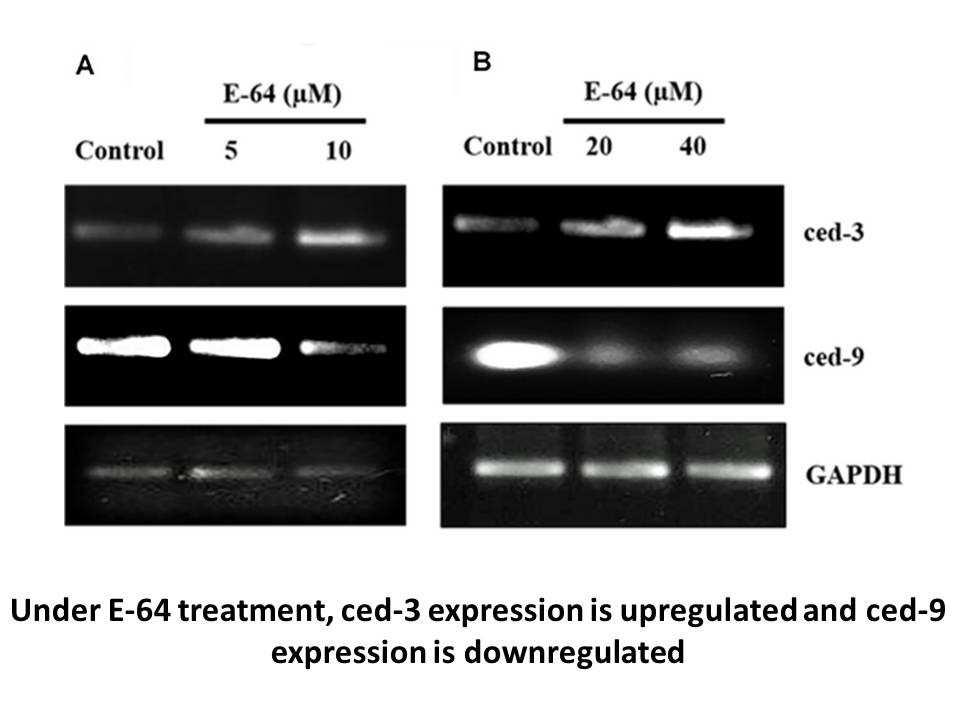
The role of apelin in hypertension diseases The role of apelin and its receptor APJ in cardiovascular diseases has been described in numerous studies (Table 2) [36,37]. It has been revealed that exogenous apelin may lower blood pressure. Tatemoto et al. [6] have discovered that different forms of
-
br Impact of global AHR
2024-05-22
Impact of global AHR deficiency on diet-induced obesity Two subsequent studies in which AHR function was affected at the whole animal level corroborated the role of AHR in dietary obesity. Xu et al. [14] showed that on a high-fat diet, both AHR-deficient Ahr−/− and hemizygous Ahr+/− mice gained s
-
Previous studies have demonstrated the presence of soluble N
2024-05-22
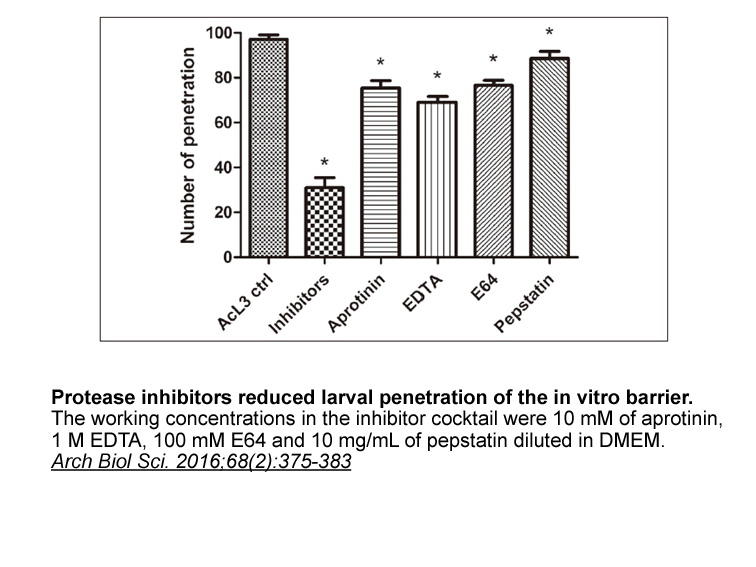
Previous studies have demonstrated the presence of soluble NTPDases, 5′-nucleotidase and adenosine deaminase in rat blood serum as well as in human blood (Doleski et al., 2016; Oses et al., 2004; Yegutkin, 1997; Yegutkin et al., 2007). In addition, our earlier reports have shown that these membrane-
-
br In our experience br History of ER and
2024-05-22
In our experience History of ER and ACh tests As shown in Table 1, Stein et al. first reported the usefulness of intravenous injection of ER in diagnosing coronary insufficiency in 1949 [16]. In 1972, the first ER spasm provocation test was employed at the Cleveland Clinic during cardiac cath
-
LPA binds to six specific cell surface
2024-05-21

LPA binds to six specific cell surface GPCR receptors. The receptors LPA1 (lysophosphatidic receptor 1, formerly, Edg2), LPA2 (Edg4) and LPA3 (Edg7) belong to the endothelial differentiation gene family (EDG) and share sequence homology (50–60% amino Orantinib homology) An et al., 1997, An et al., 1
-
Defining the multiple roles of autophagy in
2024-05-21
Defining the multiple roles of autophagy in stroke has been a rapidly evolving and exciting venue for translational research, with innovative products being applied from bench to bedside. Spanning pharmacological pathway manipulation and functional experimental validation, altered autophagy activati
-
br Colorectal carcinoma The growth rate of murine colon
2024-05-21
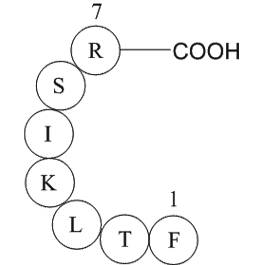
Colorectal carcinoma The growth rate of murine colon adenocarcinoma tumors decreased upon inhibition of 5-LOX, an enzyme that harbors counteracting properties to 15-LOX [28]. It is not clear whether 15-LOX was associated with this phenomenon, but its expression is induced in the colon carcinoma c
-
br The role of LOX plays in autophagy
2024-05-21
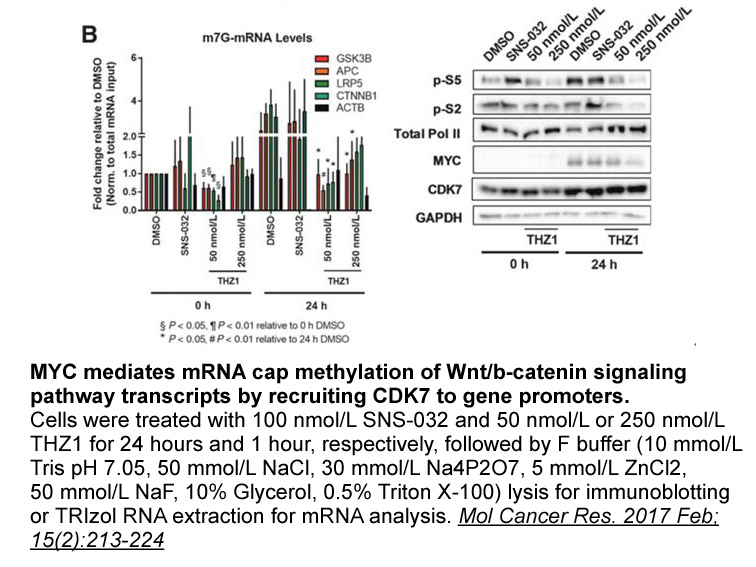
The role of 12/15-LOX plays in autophagy Autophagy is a process by which cellular material is delivered to lysosomal to degrade the damaged organelles and proteins to facilitate nutrient recycling (Towers and Thorburn, 2016). There has been characterized three types of autophagy-macroautophagy, m
-
br ASK in multiple sclerosis
2024-05-21
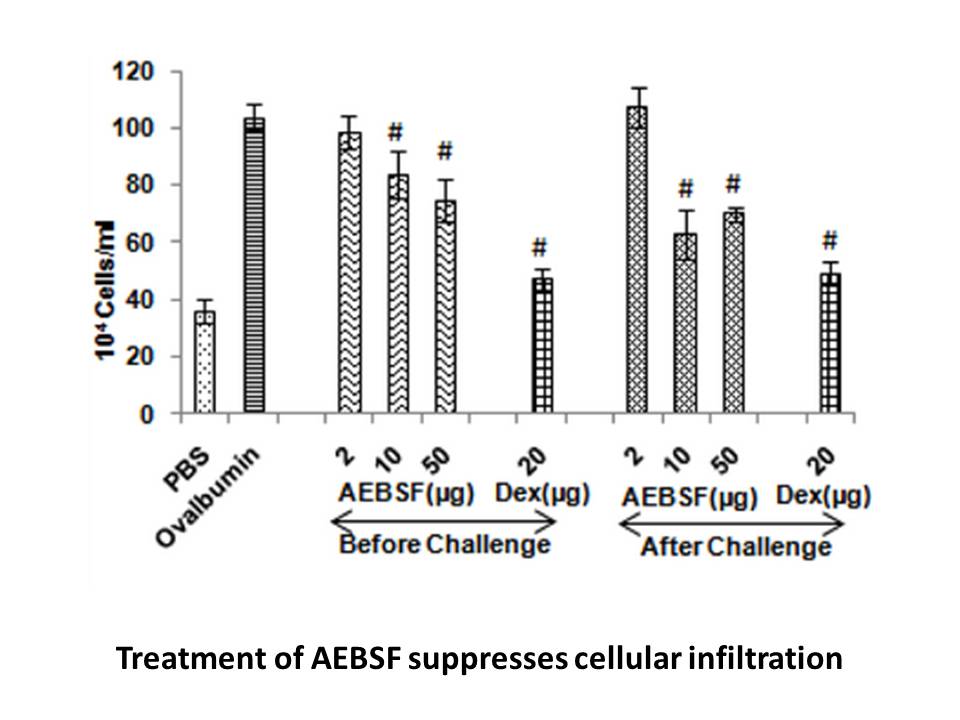
ASK1 in multiple sclerosis and optic neuritis Multiple sclerosis (MS), a chronic inflammatory demyelinating disease of the central nervous system (CNS), is the most common neurological disease among young adults in the United States and Europe (Dutta and Trapp, 2011). Although MS primarily affect
-
br Acknowledgment Supported in part
2024-05-21
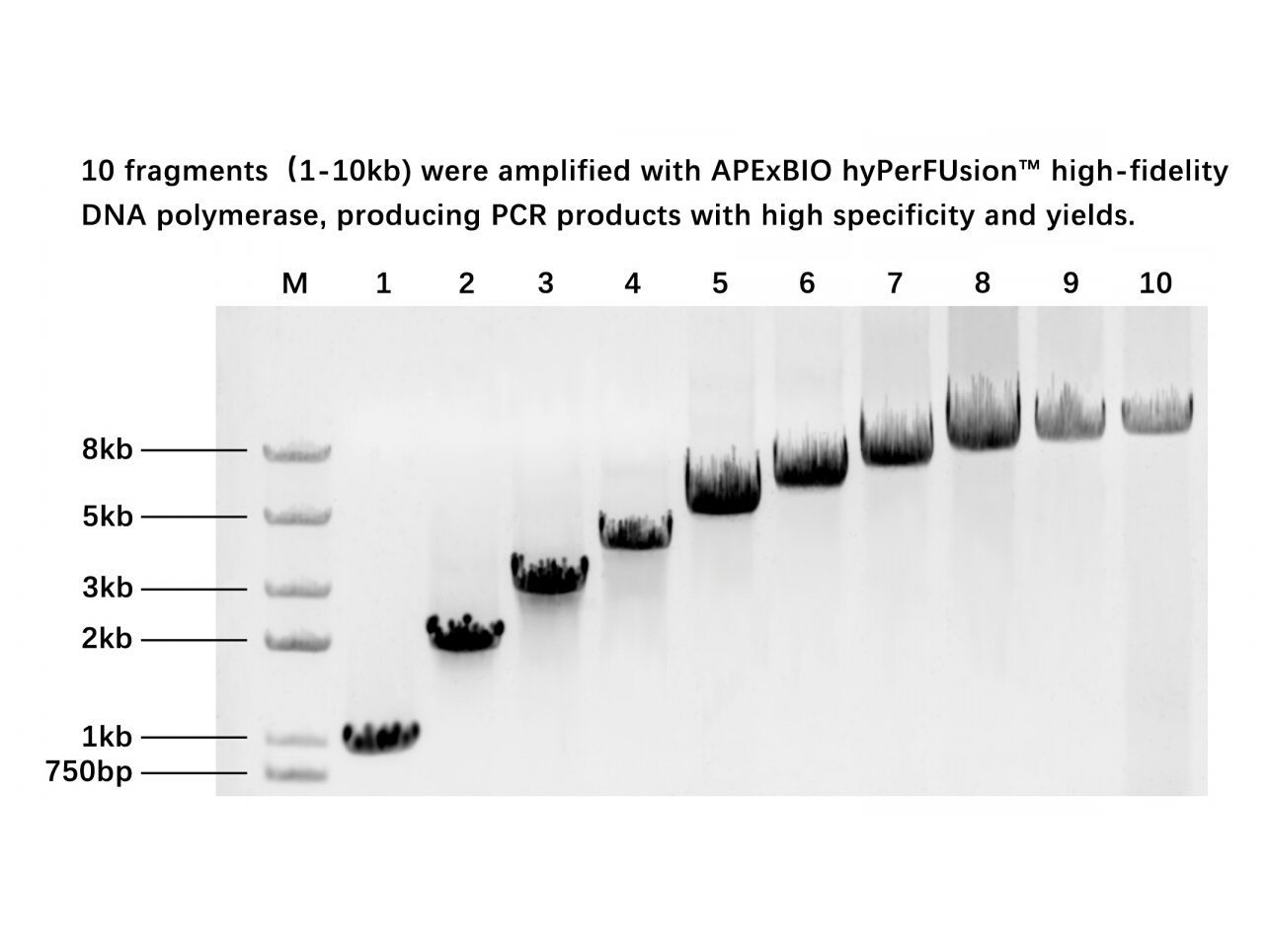
Acknowledgment Supported in part by NIH1R21EB012707 (Biegon, Anat PI). Introduction Estrogens exert pleiotropic effects on a variety of morphological, physiological and behavioral responses in all vertebrate classes ranging from fishes to mammals. Effects of estrogens in the dna alkylating ag
-
Our previous study showed that TRIM could target
2024-05-21
Our previous study showed that TRIM31 could target TSC1-TSC2 complex and contributed to the clinical cancer progression [6]. In this study, we showed that TRIM31 could directly target p53 for ubiquitous degradation and further mediated anoikis-resistance of HCC cells. To further clarify the role of
8609 records 178/574 page Previous Next First page 上5页 176177178179180 下5页 Last page